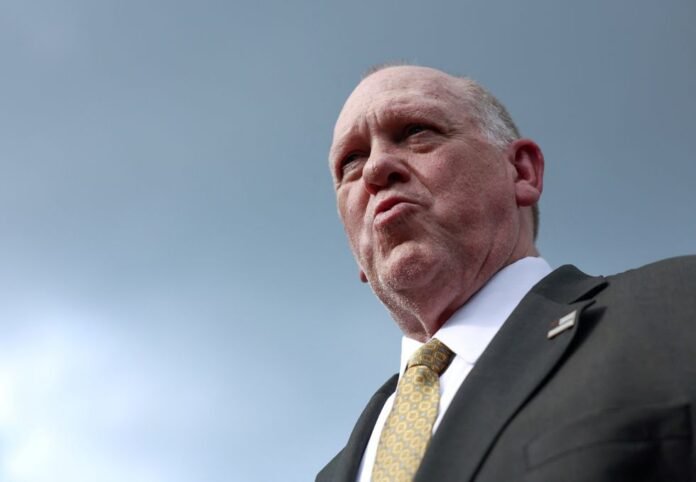
Former Immigration and Customs Enforcement (ICE) Director Tom Homan has assumed control of federal immigration operations in Minnesota, marking a significant shift in the ongoing border security initiatives in the state.
New Leadership, Mixed Messages
During Thursday’s press conference, Homan delivered a message that alternated between conciliation and firm resolve. While acknowledging efforts to develop an exit strategy with Customs and Border Protection (CBP) and ICE personnel, he maintained a strong stance on continuing operations.
‘We are actively working on a draw-down plan,’ Homan stated, before firmly adding, ‘but we are not surrendering. I’m staying until the problem is gone.’
Timing and Implementation Questions
The leadership transition has raised questions about the operation’s direction and scope. According to Homan’s statements, his deployment came through direct communication with President Trump early this week, suggesting a rapid response to the situation.
Strategic Focus Debated
Immigration policy experts have questioned the strategic rationale behind the intense focus on Minnesota, noting that other states face significantly larger challenges with unauthorized immigration. The concentration of federal resources in a state with relatively lower immigration concerns has prompted debate about the operation’s objectives.
During his address, Homan emphasized his practical approach: ‘You can’t fix problems if you don’t have discussions. I didn’t come to Minnesota for photo ops or headlines. I came to seek solutions and that’s what we’re going to do.’
Community Response
The deployment of federal agents has generated significant concern among local communities and civil rights advocates, who have expressed alarm over enforcement tactics and their impact on immigrant populations. Critics point to reports of aggressive enforcement measures and their effects on both immigrant and protest communities.
Despite the leadership change, thousands of Department of Homeland Security officers remain deployed in Minnesota, indicating that federal presence in the state will continue for the foreseeable future.