
Amid escalating tensions over identity politics in Assam, Chief Minister Himanta Biswa Sarma defended his use of the term ‘Miya Muslims’ on Thursday, emphasizing that the terminology reflects self-identification rather than political rhetoric.
Understanding the Terminology Controversy
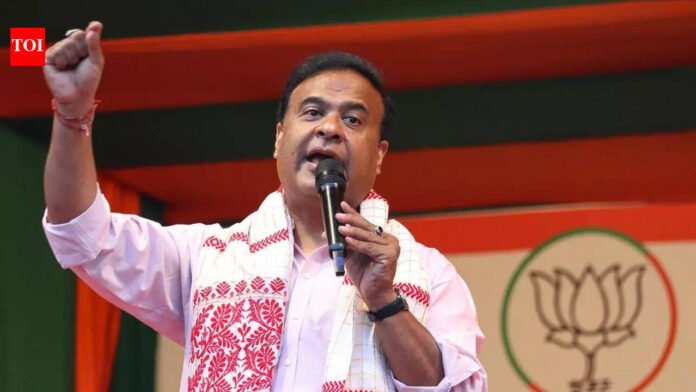
Speaking at a public event in Golaghat, Sarma addressed the growing controversy surrounding his recent statements about the state’s demographic composition. The Chief Minister clarified that the term ‘Miya’ was not his creation but rather a self-identifying label used by Bengali-speaking Muslims who trace their origins to Bangladesh.
Political Tensions and Demographics
‘This is not about creating divisions but acknowledging existing identities,’ Sarma stated, addressing the assembled crowd. ‘When people themselves use this term for self-identification, it becomes part of our social discourse.’
Opposition Response and Political Climate
The Chief Minister’s remarks have sparked intense debate in Assam’s political circles, with opposition parties criticizing his choice of language. Sarma, however, maintains that his statements are being deliberately misinterpreted for political gain.
Broader Context of Identity Politics
The ongoing discussion reflects deeper tensions in Assam regarding identity, migration, and demographic change. Recent projections suggest significant shifts in the state’s population composition, adding urgency to debates about cultural preservation and social integration.
As the controversy continues to unfold, the exchange highlights the complex interplay between identity politics, demographic changes, and governance in one of India’s most diverse states.