UK motorists are increasingly choosing to scrap older vehicles rather than face steep vehicle excise duty (VED) increases, leading to hundreds of thousands of cars being written off. The rising costs, particularly for high-emission models, deter owners from maintaining these vehicles on the road.
Rising Tax Burdens for Older Vehicles
A significant tax trap affects cars emitting more than 225g of CO2 per kilometer. Current rates include £430 for emissions between 201-225g/km, £735 for 226-255g/km, and £750 for over 255g/km. These bands will adjust upward from April 2026, with the £735 rate climbing to £760 and the £750 rate to £790.
This financial pressure impacts not only luxury SUVs but also everyday family cars. Owners report that annual tax bills often exceed the vehicle’s market value, prompting decisions to scrap or export the cars to markets where lower costs make them viable.
Environmental Trade-Offs
Some drivers argue that retaining an older car is more eco-friendly than purchasing a new one, given the substantial CO2 emissions from manufacturing. Analysis indicates that producing a medium-sized new car generates over 17 tonnes of CO2 equivalent, comparable to three years of typical household energy use.
Experts recommend extending the life of reliable older vehicles. For instance, driving a car to 200,000 miles instead of 100,000 can halve lifetime emissions per mile by amortizing manufacturing impacts. High-mileage drivers or those with inefficient engines, however, face greater challenges.
Tax Rules for Pre-2001 and Early 2000s Cars
Vehicles registered before 2001 pay based on engine size: £229 annually for engines under 1,549cc and £360 for larger ones, regardless of make. Emissions-based bands apply to cars from March 2001 onward, with a cap at the Band K rate of £430 for registrations up to March 23, 2006.
Updated 2026-2027 rates for vehicles registered between March 1, 2001, and April 1, 2017, include:
- Up to 100g/km: £20
- 101-110g/km: £20
- 111-120g/km: £35
- 121-130g/km: £170 (up from £165)
- 131-140g/km: £200 (up from £195)
- 141-150g/km: £225 (up from £215)
- 151-165g/km: £275 (up from £265)
- 166-175g/km: £325 (up from £315)
- 176-185g/km: £360 (up from £345)
- 186-200g/km: £410 (up from £395)
- 201-225g/km: £445 (up from £430)
- 226-255g/km: £760 (up from £735)
- Over 255g/km: £790 (up from £750)
Affected Popular Models
These tax hikes render many desirable models from two decades ago nearly worthless. Key examples include:
- Saab 900 Convertible: £735
- Land Rover Freelander 2 i6: £760
- Audi TT 1.8T: £735
- Ford Galaxy 2.3: £735
- Jaguar X-Type 2.0-litre Auto: £735
- Subaru Forester 2.5 XT: £735
- Volkswagen Golf R32: £760
- Chrysler PT Cruiser: £735
- Vauxhall Zafira VXR: £735
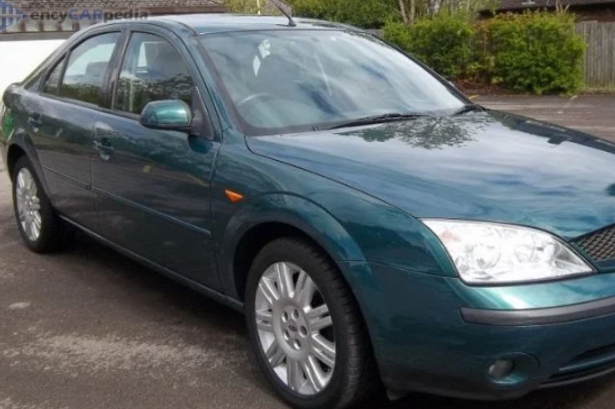
- Ford Mondeo V6: £735
Even sporty or all-wheel-drive family options like the Audi TT, Vauxhall Zafira VXR, Ford Mondeo, and Volkswagen Golf fall into higher bands. Larger models such as the Land Rover Freelander and Subaru Forester can exceed £800 in annual tax, deterring buyers seeking practicality without premium costs.
Dealer Insights
Wayne Lamport, who operates Stone Cold Classics specializing in vehicles from this period, highlights the market challenges. “We have to be very careful when we buy stock which is 2006 or more recent,” he states. “Cars such as a Jaguar X-Type are great, but who wants to pay more than £700 for the annual tax? It doesn’t take many years of ownership to spend the value of the car.”
Lamport adds that models like the Chrysler PT Cruiser appeal initially for their novelty but lose interest once tax costs emerge, making them difficult to sell.