Spring approaches quickly, and completing key tasks in February sets the foundation for a flourishing garden by March. Gardening expert James Ewens from Green Feathers emphasizes the importance of acting now. He states, “February is make or break for that spring garden. February bridges winter and spring, and the jobs you do now give your garden the strongest start for the months ahead. It’s the ideal time for sowing, pruning, soil preparation, and supporting your wildlife, a year-round priority. So, it’s really the time to shave off some spring workload, and give your garden the best possible start to the warmer seasons.”
Prepare Your Lawn for the Season Ahead
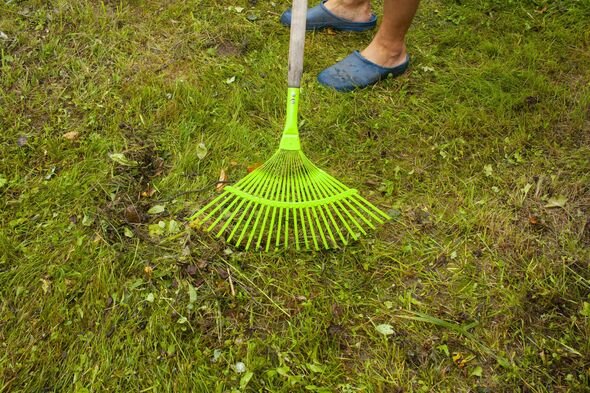
Although mowing the lawn waits until later, February offers a prime opportunity to ready the turf. Experts advise steering clear of walking on waterlogged or frozen grass to prevent damage. On drier days, gently rake away moss and debris to enhance air circulation and reduce compaction.
Consider applying a natural, chemical-free lawn feed during this month, one that remains safe for birds and wildlife. Such preparations ensure healthier grass as warmer weather arrives.
Prune Key Plants Before Growth Begins
While January suits many winter pruning activities, February serves as the last chance for several plants before buds emerge. Target fruit trees like apples and pears, roses, and deciduous shrubs at this time.
James Ewens notes, “Remove dead, diseased or crossing branches to improve airflow and shape plants for spring. Pruning now encourages stronger, healthier growth and better flowering and blooming come spring. Ensure you’re pruning in dry, frost-free weather to prevent damage.” These steps promote robust development and vibrant displays in the coming months.
Support Garden Wildlife Through Winter
Gardeners prioritize wildlife support year-round, and February proves crucial for survival during lingering cold. Maintain topped-up bird feeders and resist over-tidying by leaving seedheads on plants, which supply essential food and shelter for birds, insects, and hedgehogs.
James Ewens adds, “Simple piles of logs, leaves or branches offer safe refuge for hedgehogs and overwintering insects, helping protect the wildlife your garden relies on to flourish in spring.” These efforts sustain biodiversity and contribute to a thriving ecosystem as spring unfolds.