
Blueberries add vibrant flavor to smoothies and muffins, but they often spoil before their use-by date. Plastic packaging traps moisture and limits airflow, fostering mold on these high-water-content berries.
Washing Blueberries to Remove Spoilage Risks
Recipe developer Jerry James Stone emphasizes proper cleaning to extend shelf life. “You simply cannot see all the bad stuff on the blueberries. You’re not Ant-Man. Produce is covered in dirt, mould spores, and other nasties that cause it to spoil. Blueberries are especially sensitive to these things. So you need to wash them,” Stone explains.
Blueberries’ high water content makes them prone to bacteria. A vinegar rinse reduces contamination risks. Mix three parts water with one part vinegar in a large bowl. Soak the berries for five minutes to kill mold spores and bacteria without harming the fruit.
Drying and Storing for Long-Lasting Freshness
Drain the blueberries in a colander, then spread them on a plate lined with a tea towel or kitchen paper. Ensure they dry completely, as lingering moisture invites bacteria.
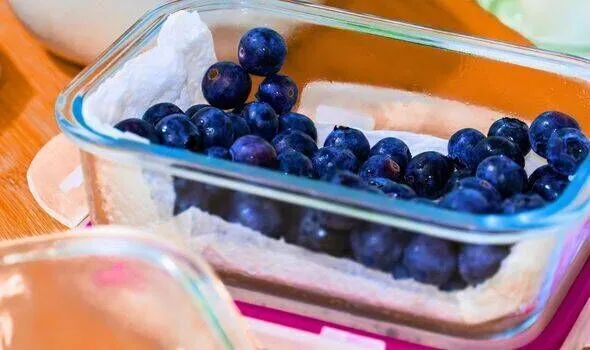
Once dry, place them in a container lined with kitchen paper to absorb excess moisture. Stone advises, “Store the berries in a towel-lined container that you can cover, and place them in the fridge. Something slightly breathable is best. Airtight containers can trap moisture, and we don’t want that. That also means keeping them out of any drawers that create excess humidity. No joke. I have had blueberries last for just about three weeks this way.”
Avoid humid fridge drawers. This method keeps blueberries plump, mold-free, and fresh for up to 21 days, minimizing waste during summer.