
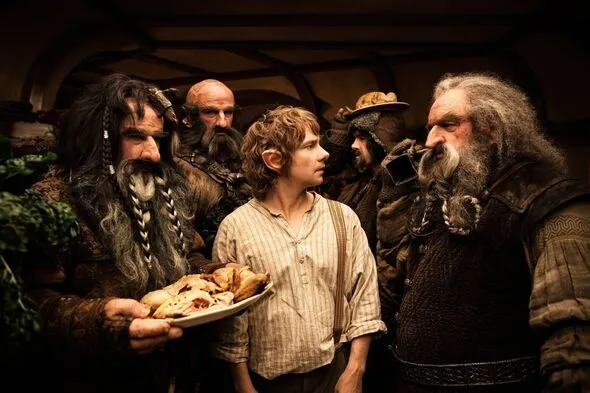
Up to 27 animals, including a miniature pony named Rainbow, perished on a hazardous farm used to house livestock during the production of The Hobbit film trilogy. Wranglers described the New Zealand property as a “death trap” due to steep drops, sinkholes, and faulty fencing, contributing to the deaths before the 2012 premiere.
Farm Conditions and Initial Concerns
Horse trainer Chris Langridge joined the production in November 2010, overseeing about 50 horses. He immediately noted dangers like sinkholes from underground waterways and precarious banks. Langridge recounted efforts to fill hazards and install his own fencing, but the challenges proved overwhelming.
“When I arrived at work in the morning, the pony was still alive but his back was broken. He’d come off a bank at speed and crash-landed,” Langridge said of Rainbow, intended as a hobbit horse. The pony had to be euthanized due to its severe injuries.
Langridge emphasized that horses galloping at nearly 30 mph required flat terrain, calling the setup a “no-brainer” mismatch.
Series of Tragic Incidents
A week after Rainbow’s death, a horse named Doofus tangled in fencing, suffering a serious leg injury. Though it survived, Langridge resigned shortly after.
Wrangler Johnny Smythe reported subsequent deaths, including Claire, found with its head submerged in a stream after falling over a cliff. Horses were then moved to stables, where Zeppelin died. Veterinary records cited a burst blood vessel as natural causes, but Smythe suspected digestive problems from diet changes, noting bloating and yellow liquid in its intestines.
Smythe also detailed losses among six goats and six sheep from sinkholes, worms, or new feed after grass depletion. Chickens left outside their pens fell prey to dogs on two occasions, killing a dozen.
Production Response and Improvements
The production team acknowledged awareness of the deaths, attributing some to natural causes. A spokesperson confirmed swift action after two horse fatalities, investing heavily in better stables and accommodations in early 2011.
“We do know those deaths were avoidable and we took steps to make sure it didn’t happen again,” said Matt Dravitzki, speaking for director Peter Jackson. The company no longer uses the farm and removed all animals. Jackson personally adopted three pigs from the films.
Langridge and his wife Lynn, also a wrangler, resigned in February 2011 and emailed concerns to unit production manager Brigitte Yorke, providing further details at her request but receiving no follow-up.
Smythe was dismissed in October 2011 after clashing with superiors over welfare issues.
Monitoring Oversight
The American Humane Association, tasked with on-set animal safety, stated no animals were harmed during actual filming in New Zealand. It recognized wranglers’ accounts and gaps in its system, which focused on sets but not off-site housing and training facilities.