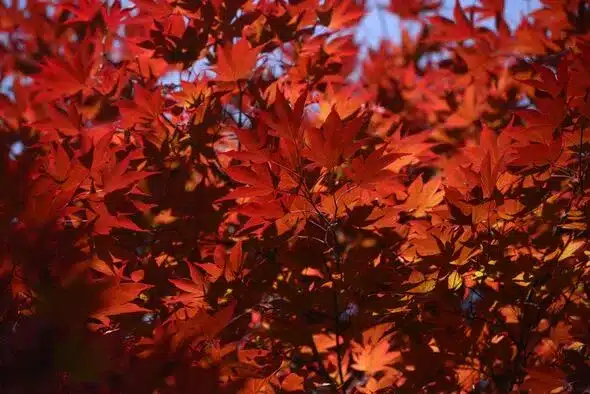
Japanese maple trees captivate gardeners with their stunning shapes and vivid seasonal colors. Buds blush pink in spring, leaves thrive lush in summer, foliage blazes in autumn, and bare branches shine in winter. To keep these ornamental gems healthy, owners must perform one crucial task during dormancy: heavy pruning.
Why Prune Japanese Maples in Winter?
Experts recommend heavy pruning now to shape the tree, eliminate crossing or dead limbs, and promote strong growth. Trees prune best when fully dormant, as cuts made later cause sap bleeding that weakens them. Without leaves, the branch structure becomes clear, making it easier to identify precise cut locations.
Proven Pruning Steps from a Gardening Expert
Andrew Stark, with over 30 years of gardening experience and nearly a decade shaping Japanese maples, shares his method on Instagram @andrewstarkgardeningdesign. “Each year they get better and better as a result of my ongoing trimming and pruning,” he states.
Follow these steps for optimal results:
- Remove dead wood and weaker branches first.
- Clear congested areas where branches crowd together.
- Reduce foliage pads by about 50% and tidy the structure.
The outcome features balanced strength across each foliage pad, ensuring resilience.
Timing Warning
Avoid major pruning in late spring or summer, when active growth makes new shoots vulnerable to weather extremes and pests.