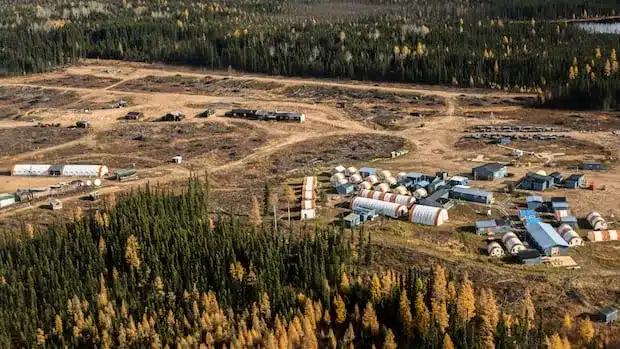
Premier Doug Ford announced that his government will start construction this year on roads linking Ontario’s highways to the mineral-rich Ring of Fire region. Access roads to the area now target completion by November 2031, advancing the project years ahead of the original schedule and boosting critical mineral mining in the province.
Ford shared these updates during a speech at the Prospectors & Developers Association of Canada (PDAC) convention at the Metro Toronto Convention Centre. “Nothing’s more promising than the Ring of Fire, a once-in-a-generation opportunity to create more than 70,000 jobs, make Ontario a critical mineral superpower, and add $22 billion to our province’s economy over the next 30 years,” Ford stated.
Construction Timeline
Work on the Webequie Supply Road and Marten Falls Community Access Road begins later this year. The Northern Link Road, connecting these routes, starts in 2028 and opens three years later. This northern connector joins the Marten Falls First Nation Community Access Road at the south and the Webequie Supply Road to the Ring of Fire deposits at the north.
Push for Faster Development
The province aims to accelerate Ring of Fire projects amid U.S. economic uncertainty. “With President Trump’s tariffs causing so much uncertainty, we don’t have a second to waste,” Ford remarked. Last year, Ontario enacted Bill 5, enabling special economic zones where cabinet can waive provincial laws, regulations, or municipal bylaws for select projects. Ford had considered designating the Ring of Fire as such a zone but now states, “We don’t need it when we have great partners,” pointing to local First Nations.
The premier also finalized an agreement with Prime Minister Mark Carney late last year for streamlined assessments on major projects, including those in the Ring of Fire.
First Nations Partnerships
Several First Nations have forged agreements with the province to construct roads and develop highway connections. Chiefs from Webequie and Marten Falls First Nations joined Ford to sign new economic partnerships, positioning these communities as full economic participants with access to jobs from regional development.
Currently reachable only by air or winter roads, the Ring of Fire communities stand to gain from all-season access, unlocking opportunities tied to vast critical mineral deposits for residents and youth.
While some First Nations and environmental groups protested Bill 5, citing insufficient consultation on project impacts, others partner to expedite infrastructure like a new transmission line to the region. Proponents continue gathering feedback on key road initiatives.