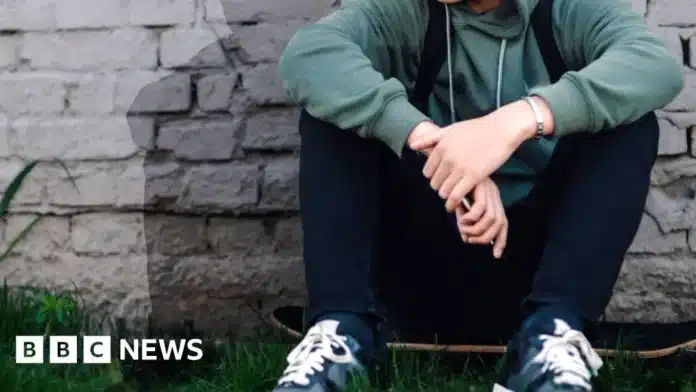
A mother describes the profound trauma her son endures after sexual abuse by a friend, stating his life will “never be the same again.”
Recent data from Northern Ireland’s five health trusts shows 231 young people referred for harmful sexualised behaviours over the past two years. These behaviours encompass developmentally inappropriate actions by children that harm or abuse others, often termed peer-on-peer abuse.
The NSPCC notes a rise in children contacting them about such incidents in recent years.
Devastating Family Impact
The mother reports a “devastating impact” on her family, with her son facing extreme trauma and stress. “He feels like his life is changed forever,” she says, speaking anonymously along with her son.
The family receives counselling, and both parents require mediation for anxiety and sleep aids. She stresses the need for greater awareness of peer-on-peer abuse: “As a parent, I never thought to discuss it with my children. Conversations focused on adults, not friends.”
Shock lingers: “It’s so hard to accept. Parents feel responsible for not spotting the danger.”
Rising Referrals and Causes
Health trust figures for 2024 and 2025 confirm the 231 referrals. Police data does not specify cases with underage suspects and victims.
Experts attribute the increase to heightened awareness and social media influence. Marcella Leonard, an independent social worker, highlights technology’s role: “Peers use apps to take imagery, alter it with AI, or coerce sharing.”
Behaviours stem from varied sources, Leonard explains: prior abuse, neurodiversity, or deliberate harm. Young people now report more confidently.
She emphasises context: “All children make mistakes and must learn to change.” Effective sex education proves crucial, though some cases require extended intervention.
Leonard criticises Northern Ireland’s sex education as insufficient, urging separation from religious influences for better guidance on sexual behaviours.
Relationships and Sex Education in Schools
Northern Ireland schools must teach relationships and sex education (RSE). A Department of Education spokesperson states significant investment supports RSE resources.
All students, regardless of gender or faith, access RSE programmes. Schools develop policies with parents and pupils, ensuring comprehensive coverage of harmful behaviours and peer-on-peer abuse recognition and reporting.