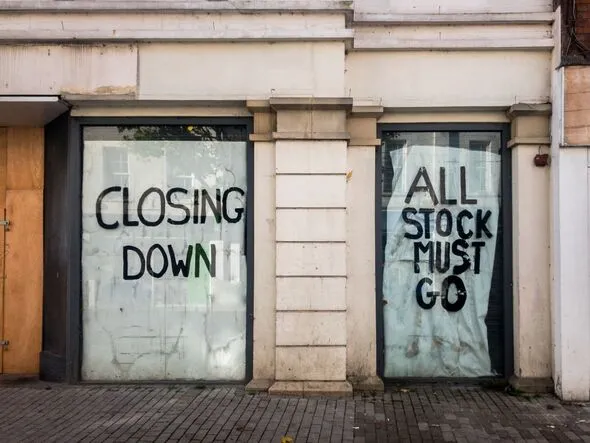
Woolworths captivated British shoppers as a beloved high street fixture for decades, but its sudden disappearance left many devastated. Once a staple with over 800 stores across the UK, the retailer vanished entirely after entering administration at the end of 2008.
The Rise of a Retail Icon
Frank Woolworth introduced the chain to the UK from America, opening the first store in Liverpool in 1909 amid great excitement. Success followed rapidly, with branches expanding nationwide and globally. By the late 1960s, Woolworths reached a peak of 1,141 stores worldwide.
Every UK high street featured a Woolworths at its height, offering everyday essentials that made it indispensable for families.
Challenges and Collapse
The chain endured severe hardships, including wartime bombings, terrorist attacks, and multiple fatal fires. Despite resilience, mounting pressures led to its downfall. Laden with £385 million in debt, the collapse resulted in 27,000 job losses, reshaping Britain’s retail landscape.
Today, most former Woolworths sites house discount chains like Poundland and Iceland, which acquired 51 locations.
Signs of a Potential Revival
In 2024, optimism surfaced for Woolworths’ UK return. The German branch, simply branded as Woolworth, survived thanks to investors and continues operating. Roman Heini, CEO of the German operation, highlighted Britain’s appeal, stating: “I don’t know of any brands where the recognition will be as high as it is in Britain, without having any stores.”
Britain tops Heini’s expansion “bucket list,” though no concrete plans or timelines have been confirmed. The scale of any comeback remains uncertain.