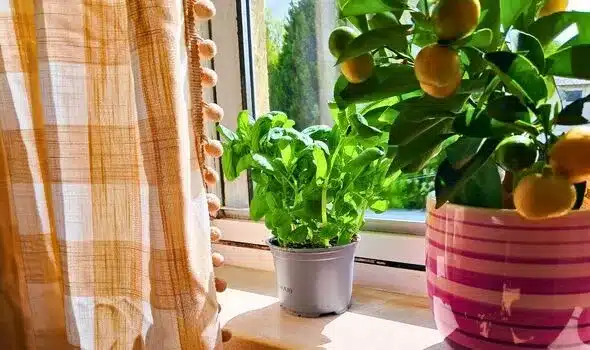
Basil thrives easily in kitchens, enhancing pasta, soups, and sandwiches with its fresh leaves. Warm spring sunshine accelerates growth but triggers flowering, diverting energy from leaves to seeds. This produces smaller, weaker, bitter leaves that diminish flavor in dishes.
Why Flowering Harms Basil Plants
Flowering signals the end of the annual basil plant’s life cycle, leading to wilting and reduced yield. Leaves turn less flavorful and tough, spoiling culinary uses. Regular checks prevent this, especially as temperatures exceed 10°C in late spring, spurring rapid growth.
The Simple Pinching Technique
Pinch basil tops weekly in just 10-20 seconds to remove flower buds—tiny, spiky clusters at stem tips resembling vertical leaves. Identify nodes where leaf pairs meet along stems; these are growth points for branches or buds.
To pinch: Select a healthy top leaf pair, snap or snip the growing tip just above the node. Avoid cutting into the node or leaving a stump, which causes leggy growth and weak leaves.
Step-by-Step Pinching Guide
- Examine stems for opposite leaf pairs and pale green nodes.
- Pinch above the topmost healthy node.
- Perform weekly during growth spurts.
This method prompts two new side shoots per pinch, creating bushier plants with larger, more flavorful leaves and extended harvests.