
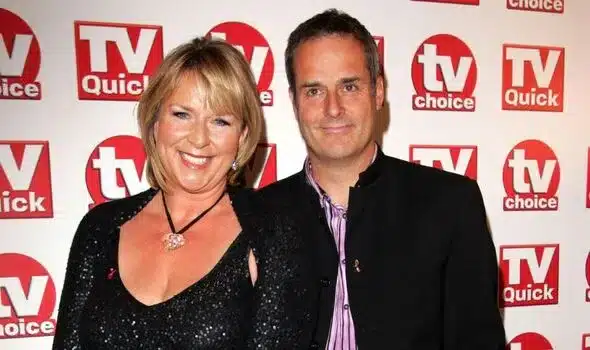
Television personality Fern Britton, 68, has shared how a significant surgical procedure provided her with a renewed sense of purpose following a period of profound personal loss and her divorce from TV chef Phil Vickery, 65. Britton, known for her appearances on programs like ITV’s ‘This Morning,’ ‘Celebrity Big Brother,’ and ‘Ready Steady Cook,’ discussed these experiences on the ‘Postcards from Midlife’ podcast.
Navigating Personal Setbacks
Britton described her 2020 divorce from Vickery, after more than two decades of marriage, as deeply upsetting. This emotional hardship was further compounded in the same year by the loss of her two beloved cats. She recounted on the podcast how the surgery, which she referred to as a ‘new shoulder,’ unexpectedly offered her a sense of hope and direction amidst these challenging circumstances.
“The divorce was upsetting, and my two pussy cats that I came down here with, they died in that year as well, and it was like ‘woah’,” Britton stated. “Then the new shoulder, who would have thought, just kind of lifted me and gave me a purpose. All new shoulder.”
Broader Family Losses
This period of grief was also marked by the passing of Britton’s mother in the same year. In a previous interview with Yours magazine, she claimed that contact with Phil Vickery ceased following her mother’s death. “He hasn’t spoken to me for six years now,” she said at the time. “As soon as my mum died, he stopped talking to me.”
Despite these difficulties, Britton ed her commitment to maintaining a positive environment for their daughter, Winnie, who she noted ‘adores him.’ “I’m not going to bad-mouth him in front of her – at least, I try very hard not to,” she explained. “I was the child of divorced parents, and my mum never bad-mouthed my father.”
Mental Health Journey
Britton has also been open about her past struggles with mental health. On the same podcast, she detailed the crucial role that antidepressants and talking therapy have played in managing periods of suicidal ideation.
“I’m very lucky that antidepressants did work for me, and I’ve been on and off over the years,” she said. “And it just puts that little bit of sunshine in your head and gives you an opportunity to get a bird’s-eye view of what’s happening in your life, rather than have it all crammed right up here in your face.”
She emphasized the importance of finding the right treatment and support. “If you find the right one, and you have a good doctor, then it will work. Trust the process and see how that goes.”
The Power of Therapy
Britton highlighted the extensive commitment she has made to talking therapy, engaging in weekly sessions for approximately 12 to 13 years. She credited her psychoanalyst with providing invaluable support, stating, “my therapist is a psychoanalyst, and she is so good.”
ing regret that such services are not universally accessible through the National Health Service, Britton noted that her therapy is privately funded. She shared the profound impact of this support, revealing, “But without her, there have been times when I didn’t think I would be around. I’ve always had a strange suicidality, even when I was little; I wasn’t frightened of death.”