Trooping the Colour: A Royal Style Evolution
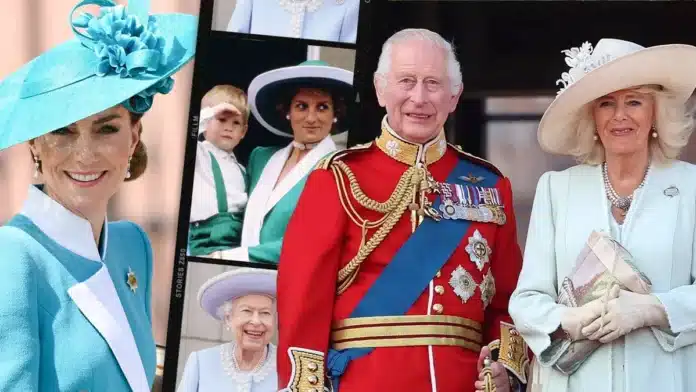
Few royal occasions blend military pageantry with personal style as distinctively as Trooping the Colour. The annual parade, celebrating the sovereign’s official birthday, has evolved into a significant showcase of royal fashion across the decades. From the steadfast glamour of a young Princess Elizabeth to the bold statements of Princess Diana and the contemporary elegance of the Princess of Wales, the sartorial narrative of this event is as rich as the traditions it upholds.
1940s-1950s: The Era of Uniform
The modern fashion story of Trooping the Colour arguably begins in the 1940s. Princess Elizabeth, then a young royal, was notably seen riding side-saddle in the uniform of the Grenadier Guards. This powerful image conveyed a sense of duty, composure, and unmistakable regality. Military attire became a consistent choice for both the late Queen and her daughter, the Princess Royal, for this significant event. For the future Queen Elizabeth II, uniform symbolized more than just clothing; it was a visible manifestation of her commitment to service. Later, as monarch, her preference shifted towards brightly coloured coat dresses and coordinating hats, ensuring her visibility among the crowds, a choice that consistently prioritized duty over spectacle.
1960s–1970s: Tradition Takes Shape
As the decades progressed, Trooping the Colour fashion began to settle into a recognizable pattern. Senior royal women embraced structured tailoring, vibrant colours, prints, modest hemlines, and statement millinery. While the Queen and Princess Anne often appeared in military uniforms, reflecting their ceremonial ties to the Armed Forces, other female members of the family adopted the formal elegance expected for the occasion. This period saw a balance between tradition and individual expression, with carefully curated outfits offering a softer counterpoint to the military spectacle.
1980s: Princess Diana’s Style Revolution
The 1980s dramatically redefined the visual language of Trooping the Colour, largely due to the influence of Diana, Princess of Wales. Her appearances were consistently showstopping. Princess Diana’s 1980s fashion, characterized by prominent shoulder pads, ruffled collars, and bold polka dots, was always eye-catching. Whether in colour-block Catherine Walker suits or striking hat-and-coat combinations, Diana fully embraced the era’s exuberance. Oversized silhouettes and playful detailing ensured she stood out amidst the grandeur of the parade. Her distinctive looks from this period remain iconic and continue to inspire.
2010s–2020s: A New Generation of Style
The arrival of Catherine Middleton, now the Princess of Wales, marked a new sartorial chapter for Trooping the Colour. Her chic, diplomatic, and impeccably tailored outfits quickly became a highlight of the royal calendar. Some of her ensembles have appeared to subtly pay homage to her late mother-in-law, with specific outfits echoing styles worn by Princess Diana previously. These thoughtful connections demonstrate how Trooping fashion can honor both regimental history and familial legacy. The Princess of Wales’s preference for structured coat dresses, cinched waists, and sculptural hats has established a silhouette that is both contemporary and timeless. Meanwhile, Princess Anne continues her consistent choice of military uniform, reinforcing the event’s deep roots in armed service and the enduring link between the royal family and the regiments they represent.
Fashion with Deeper Meaning
Beyond aesthetics, the fashion choices at Trooping the Colour carry significant meaning. Royal attire at this event adds a layer of glamour and interest that complements the central military spectacle. It also serves as a tribute to the guards on parade, often through the colours worn or more subtle nods, such as the colour of a hat plume or a regimental brooch. Sartorial symbolism is intricately woven into each appearance. Carefully selected shades can mirror regimental colours, and heirloom brooches can signify connections to specific units, imbuing each detail with quiet significance.
Moments of Departure
While tradition is paramount, there have been instances of subtle departures from convention. The younger generations have largely adhered to the formal and conservative attire of previous years. However, an exception was noted in 2018 with the Duchess of Sussex. Meghan, Duchess of Sussex, garnered attention that year in a shoulder-baring dress, an unexpected silhouette for such a formal daytime event. This choice attracted some commentary, and in the following year, her attire was more covered up. This moment highlighted the intense scrutiny of royal style and the swift adjustments that can occur within royal wardrobes.
A Memorable Recent Appearance
In recent years, one particular appearance has stood out. The Princess of Wales’s presence in 2024, her first public appearance since announcing her cancer diagnosis, was profoundly significant. Her elegant, monochrome Jenny Packham outfit was highly memorable due to the emotional context of the day. Her visible delight in returning and sitting with her children, following a challenging period, underscored the personal significance of the occasion. This event served as a powerful reminder that fashion at Trooping the Colour transcends mere clothing; it embodies continuity, resilience, and shared national moments. From the commanding image of a young Queen Elizabeth II in uniform to the modern poise of Catherine, Princess of Wales, the evolution of Trooping the Colour fashion mirrors the monarchy itself—rooted in tradition, responsive to change, and consistently aware of the impact of presentation.