Manchester United Advances Stadium Plans with Key Land Acquisition
Manchester United has announced a significant step forward in its ambitious project to construct a new £2 billion stadium, with the club securing the majority of the necessary land. This development signals a major move away from the existing Old Trafford ground.
The club has purchased a 25-acre parcel of land situated just 350 meters from the current stadium. This strategically located area, bordered by Wharfside Way, Europa Way, and John Gilbert Way, currently houses a trading estate featuring amenities like the TeamSport Go Karting centre and various car and van specialists.
While efforts continue to acquire the remaining land parcels, internal sources express confidence that no significant obstacles are anticipated. Previously, negotiations with Freightliner for land adjacent to Old Trafford, used as a freight terminal, have been discontinued. Reports indicate a substantial disagreement of £360 million in valuations between the club and Freightliner, leading to the abandonment of this particular acquisition plan.
Insiders suggest the club has executed a disciplined and strategic approach to this land acquisition, ensuring the deal is completed efficiently and at market value. This move is seen as beneficial for the development of the new stadium and the broader regeneration efforts in the Old Trafford vicinity.
Design Phase and Fan Engagement Underway
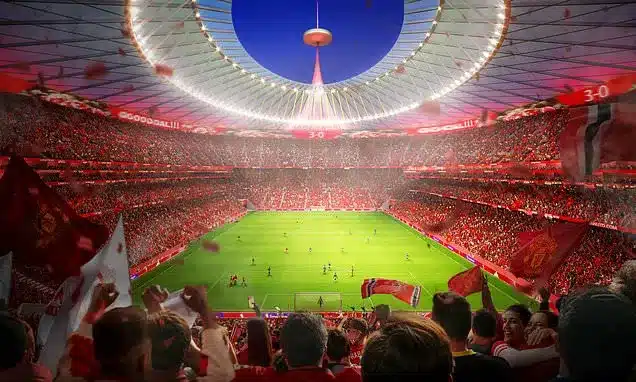
With the land secured, Manchester United is now progressing to the design phase for the proposed 100,000-seat venue, often referred to as the ‘Wembley of the North’. The club intends to collaborate with supporters throughout this process, with plans to submit a planning application in the near future.
Collette Roche, CEO of United’s new stadium development, commented on the milestone: “Today’s news highlights the progress we’re making towards a world-class new home for Manchester United and represents a significant milestone as we move into the next phase of development.”
Roche emphasized the importance of proximity to the current stadium: “Being able to build so close to Old Trafford allows us to preserve the heritage, traditions and rituals that are so important to our fans. We are committed to building a world-class stadium with our supporters, not just for them, with atmosphere, affordability and accessibility at the heart of our thinking.”
She added, “This is a generational opportunity that is fully aligned with both local and national growth ambitions. Securing the right land for our new home has been absolutely critical, and the land we’ve acquired gives us the stage to deliver a truly world-class stadium that honours our past and is ready for our future.”
Regeneration Potential and Project Timelines
Lord Sebastian Coe, who has been involved in advising on the project, previously noted the complexities of land acquisition but expressed optimism about the potential for regeneration. Speaking on The Sports Agents podcast, Coe stated, “I love regeneration projects and I was really pleased to be asked to get involved in that. I do actually believe in good, locally-funded projects to make lives easier for local people. And I also saw from the London model that if you build it around sport, the multiplier impact of getting other stuff done is far quicker than it would have been.”
Coe elaborated on the broader impact: “Land acquisition is always complicated. I know that from London, so, at this moment, it’s just putting the stuff together sequentially and incrementally and using a world-class stadium to be a catalyst for so many other things, including inward investment. So, it’s about jobs, it’s about housing, it’s about educational aspiration and I’ve seen sport so often used properly, changing local landscapes and this is an exciting project.”
Regarding the project’s timeline, Coe acknowledged, “Well, again, it’s slightly uncertain at the moment. The stadium is being scoped and being properly scaled. But again, that is also dependent on the purchasing and the acquisition of various other parcels of land in that space. That’s all taking place at the moment and I won’t maintain a running commentary on that, but we’re moving in the right direction.”
The ambitious stadium designs, developed by architects Foster + Partners, were initially unveiled in March 2025.