A groundbreaking $2.3 million program is empowering a Far North Queensland First Nations community to take control of its cancer care. Developed specifically for the needs of Yarrabah, the initiative aims to provide culturally safe and locally delivered support for residents facing cancer diagnoses, from prevention and early detection to treatment and recovery.
Yarrabah, an Aboriginal community located approximately an hour from Cairns, has historically faced significant health disparities. Socio-economic factors play a crucial role in health outcomes for its residents. The new program, spearheaded by the community-led Gurriny Yealamucka Health Services Aboriginal Corporation (GYHSAC), seeks to address these challenges by bringing cancer care services directly into the community.
The initiative, which commenced in April, is funded by the National Aboriginal Community Controlled Health Organisation. It represents a significant shift towards community-driven healthcare solutions, allowing Yarrabah residents to manage their own health journeys with greater autonomy and cultural understanding.
Culturally Safe Support for Cancer Patients
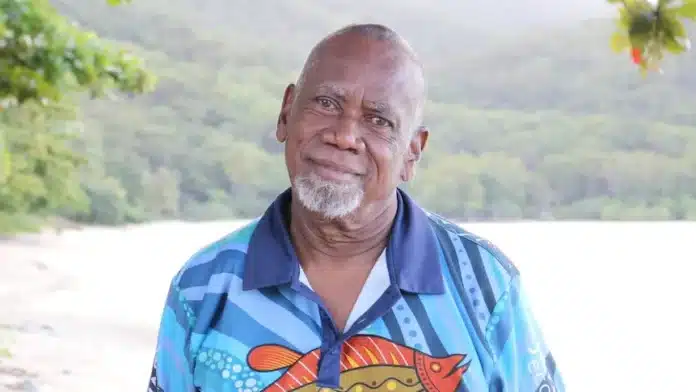
For many residents, the prospect of travelling long distances for treatment has been a major barrier. Colin Costello, a Yarrabah resident and cancer survivor, recounted leaving his home for seven months at a time to receive treatment in Cairns when he was diagnosed in 2018. While his community provided a strong support network, the prolonged absence from home was difficult.
“A lot of people care in Yarrabah,” Mr. Costello shared, highlighting the deep community bonds that are central to residents’ lives. The new program aims to alleviate the need for such extended absences by providing comprehensive support within the community itself.
Chanten Lefoe, one of two newly appointed local cancer care support officers, has returned to Yarrabah after 15 years away to take on this vital role. He described his return as a “sense of calling,” driven by a desire to give back to the community that raised him.
Mr. Lefoe’s responsibilities are diverse and tailored to individual needs. They include transporting patients to medical appointments, explaining complex medical information in understandable terms, offering emotional support to patients and their families, and engaging in proactive health discussions. He noted that some community members, due to their educational backgrounds or a general reluctance to travel, prefer to receive care closer to home.
“Some of my people, they didn’t grow up in a great education, and they don’t like to travel that much,” Mr. Lefoe explained. “So, they can just do everything from here, and we can… be a delegated voice for them.”
The program also focuses on making necessary trips to Cairns more efficient and beneficial. This includes coordinating appointments with opportunities for patients to manage personal errands, such as grocery shopping. Mr. Lefoe added that these adjustments also allow for moments of respite, like a brief visit to the beach, offering a welcome distraction during challenging times.
Addressing Health Disparities and Fear
Jason King, head of clinical services at GYHSAC, stated that the program is set to fundamentally alter how Yarrabah residents “interact and live with cancer in the community.” He emphasized the profound impact of enabling community members not only to have a voice but also to actively lead the care of their own people.
Beyond direct patient support, the initiative incorporates a significant health promotion component. This involves delivering culturally sensitive education aimed at cancer prevention. Mr. King acknowledged the stark reality faced by many in the community: “It’s a reality for people who live here that you get sick, you go to the hospital, and sometimes, you don’t come back.”
This grim reality is compounded by a long-standing apprehension towards the mainstream health system among many Yarrabah residents. Dr. King explained that this fear can lead to delayed diagnoses, allowing cancers to progress to more advanced stages before detection. “We talk about demographics and we talk about epidemiology, but cultural safety is a core layer of that,” he asserted. “A different experience of history, of government programs and racism, for example, leads directly to different outcomes in health.”
Data from the Australian Bureau of Statistics in 2021 identified Yarrabah as the fifth most socio-economically disadvantaged local government area in the nation. A significant proportion of the most disadvantaged areas are located in regional or remote parts of Queensland and the Northern Territory, often with majority First Nations populations. Dr. King pointed out that disadvantage is a primary driver behind approximately 80 percent of patient presentations at the Yarrabah clinic, underscoring the critical importance of community-led healthcare models.
A Model for Future Health Initiatives
The growing recognition by federal and state governments of the need for localized solutions to complex health challenges provides a supportive environment for initiatives like the one in Yarrabah. Mr. Costello, now a cancer survivor, expressed optimism that the new program will significantly benefit others in his community.
“There’s a lot of people here who are good at making decisions,” he stated. “Yarrabah knows what they need for health care.” This sentiment reflects the core principle of the program: empowering the community to define and deliver its own path to better health outcomes.
The program’s success is anticipated to serve as a valuable model for other First Nations communities seeking to enhance cancer care and address health inequities through culturally appropriate, community-controlled services.