
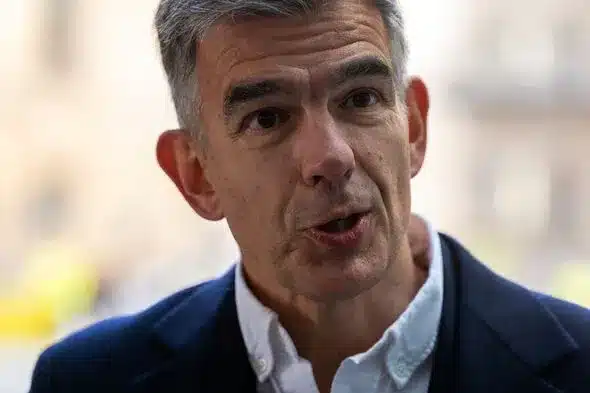
The BBC is considering a future where traditional terrestrial television broadcasts are phased out, but director-general Tim Davie has emphasized that any transition must ensure no viewers are excluded. The potential move to a digital-only platform, which could see Freeview services eventually switched off, would only proceed if a robust solution is in place for individuals who have not yet adopted online viewing methods. This commitment aims to address concerns that a significant portion of the population, particularly the elderly and those in rural areas, could be disenfranchised by such a change.
Timeline for a Digital-First Future
While specific dates are yet to be finalized, potential timelines for a terrestrial TV shutdown have been discussed, with suggestions ranging from 2034 to 2044. Regardless of the chosen year, the primary objective is to guarantee universal access to BBC programming and other free-to-air content. Tim Davie stated to MPs that the corporation’s foremost priority is serving all audiences. “Whatever the date of switchover, we need to have a solution for those who have yet to switch,” he explained. This implies a collaborative effort involving broadcasters and the wider industry to prevent any loss of access for viewers.
The potential savings generated from reduced traditional broadcasting costs could be reinvested into crucial areas such as enhancing programming, strengthening journalism, and advancing technology. This strategy aims to demonstrate that a digital transition can yield benefits beyond mere cost-cutting, potentially leading to improved services for all.
Concerns Over Terrestrial TV Shutdown
The prospect of ending terrestrial television broadcasts has ignited significant debate, with many expressing apprehension about the impact on millions of households that still rely on aerials for their television reception. Campaign groups and former politicians have voiced strong opinions, urging the government to provide concrete guarantees before any switch-off is considered.
Advocacy for Continued Freeview Access
Dennis Reed, representing the campaign group Silver Voices, has been a vocal advocate for protecting Freeview services. He has called on the government to ensure that no individual loses access to free television via an aerial before any transition takes place. “Before anyone talks about switching off terrestrial television, the Government must be able to guarantee nobody will lose access to free TV through an aerial,” Reed stated. He further emphasized that until such assurances are in place, the current system should be maintained: “Until that exists, the answer should be simple — protect Freeview and keep it free.”
Political Calls for Guarantees
The issue has also drawn attention from political figures. Former Conservative leader Kemi Badenoch has previously urged for guarantees that terrestrial television will remain accessible beyond 2034. She cautioned against a hasty decision, suggesting that switching off free TV could be a misstep with significant consequences for vulnerable demographics. “Labour should think very carefully before they and the BBC make the mistake of switching off free TV,” Badenoch commented. She highlighted that Freeview remains the primary means of accessing television for many, particularly the elderly and those with unreliable internet connections. Badenoch proposed that the BBC explore alternative cost-saving measures that do not negatively impact pensioners or residents in rural areas.
Evolving Viewing Habits
These discussions are taking place against a backdrop of rapidly changing audience behavior. While an increasing number of people are embracing streaming services and on-demand content, a substantial segment of the population continues to depend on traditional television platforms. This divergence in viewing habits presents a complex challenge for broadcasters aiming to balance innovation with inclusivity.
The Role of Technology and Infrastructure
The feasibility of a digital-only future hinges on widespread access to reliable internet connectivity and the adoption of compatible viewing devices. For individuals in areas with poor broadband infrastructure or those who cannot afford the latest technology, a complete shift to online viewing could create a digital divide. Ensuring that alternative, accessible methods of receiving programming are available is paramount to avoiding the exclusion of these groups.
Broadcaster Responsibilities in Transition
The BBC and other broadcasters face the considerable task of managing this transition responsibly. This involves not only technological adaptation but also significant public engagement and support initiatives. Educating viewers about the changes, providing assistance with device upgrades, and ensuring the continued availability of essential content through accessible means will be critical components of a successful and equitable digital switchover. The ultimate goal is to leverage technological advancements to enhance viewer experience without alienating or disadvantaging any segment of the audience.
Conclusion: A Measured Approach to Digital Transformation
The BBC’s acknowledgment of the need for inclusive planning in its potential move towards digital-only broadcasting signals a commitment to a phased and considerate transition. While the allure of modern, efficient digital platforms is strong, the practical realities for millions of viewers who rely on established terrestrial services cannot be overlooked. The ongoing dialogue between broadcasters, government bodies, and public advocacy groups is essential to navigate this complex landscape. By prioritizing universal access and developing comprehensive solutions for all audience segments, the BBC and the wider industry can strive to embrace the future of television broadcasting without leaving anyone behind.