Germany is set to introduce a new energy levy specifically targeting its industrial sector to finance the creation of a national strategic gas reserve. This measure comes as the country’s large manufacturers are already grappling with elevated energy expenses.
Establishment of a Strategic Gas Reserve
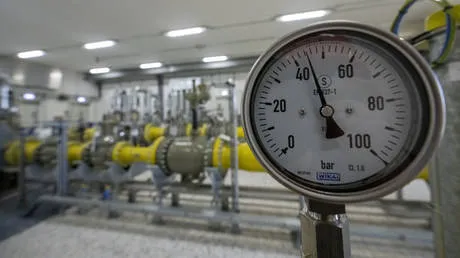
The German Ministry of Economic Affairs has confirmed plans to establish a substantial strategic gas reserve. This reserve is designed to hold a volume equivalent to 10% of the nation’s total gas storage capacity, which represents approximately two weeks of consumption during winter. The primary objective is to ensure a secure gas supply in the event of import disruptions.
Construction and initial filling of this reserve are scheduled to take place between 2027 and 2028. Initial estimates suggest the establishment costs will reach €1.5 billion (approximately $1.7 billion). Furthermore, ongoing annual maintenance and operational costs are projected to be as high as €310 million.
Funding Mechanism and Impact
Crucially, the funding for this strategic reserve will not be drawn from Germany’s federal budget. Instead, it will be financed through levies imposed on energy consumers. While households are expected to see an increase of around €42 in their annual energy bills, the impact on major industrial users is anticipated to be significantly more substantial, potentially amounting to millions of euros.
This new levy adds to the existing financial pressures on German industry. Currently, Germany’s industrial energy costs rank as the third-highest globally, surpassed only by those in the United Kingdom and Japan. This situation has developed following Germany’s decision in 2022 to cease imports of relatively inexpensive Russian natural gas. Coupled with the nation’s commitment to phasing out nuclear power in favor of renewable energy sources, this shift in energy policy has placed considerable strain on the country’s industrial output.
Industry Concerns and Deindustrialization Fears
Representatives from Germany’s industrial sector have voiced strong concerns regarding the new levy. They argue that placing the financial burden of ensuring energy security onto industry will exacerbate existing challenges and potentially accelerate deindustrialization. Wolfgang Grosse Entrup, Director of the German Chemical Industry Association, stated, “Greater security of supply is a good thing – but making industry foot the bill for it is not.”
The consequences of the energy cost increases and supply chain shifts have already been felt. Since 2022, numerous prominent German manufacturers, including BASF, Bosch, and Volkswagen, have been compelled to shut down production facilities. Volkswagen, Germany’s largest automaker, announced