While it may seem that humanity has charted every corner of our planet, from the highest peaks to the deepest oceans, numerous locations remain profoundly mysterious and largely untouched by human presence. These enigmatic sites, often remote and inaccessible, continue to captivate the imagination, representing the last true frontiers on Earth.
The Uncharted Depths of the Ocean
The vast majority of the Earth’s oceans, particularly the abyssal and hadal zones, remain unexplored. The crushing pressure, perpetual darkness, and extreme cold make these environments incredibly challenging for human exploration. Scientists estimate that over 80% of the ocean is yet to be mapped, let alone visited. The Mariana Trench, the deepest known point in the Earth’s oceans, has been visited by only a handful of submersibles, leaving its deepest reaches a profound mystery. These deep-sea environments harbor unique ecosystems and geological formations that are still largely unknown.
Life in the Hadal Zone
The hadal zone, comprising oceanic trenches deeper than 6,000 meters (20,000 feet), is one of the least understood biomes on Earth. Organisms living here have adapted to extreme conditions, including immense hydrostatic pressure, near-freezing temperatures, and complete absence of sunlight. Discoveries in these zones often reveal species previously unknown to science, highlighting the potential for novel biological and biochemical insights. The logistical hurdles of reaching and studying these depths mean that much of the hadal zone remains a pristine, unvisited realm.
Remote Arctic and Antarctic Regions
While the poles have seen significant exploration, vast expanses within the Arctic and Antarctic remain largely inaccessible and unstudied. These include remote ice sheets, subglacial lakes, and desolate landmasses. The extreme cold, treacherous terrain, and seasonal darkness present formidable barriers to human entry. For instance, beneath the thick ice sheets of Antarctica lie numerous subglacial lakes, such as Lake Vostok, which have been isolated from the surface world for millions of years. Studying these environments offers a unique window into ancient ecosystems and geological processes.
The Antarctic Ice Sheet’s Secrets
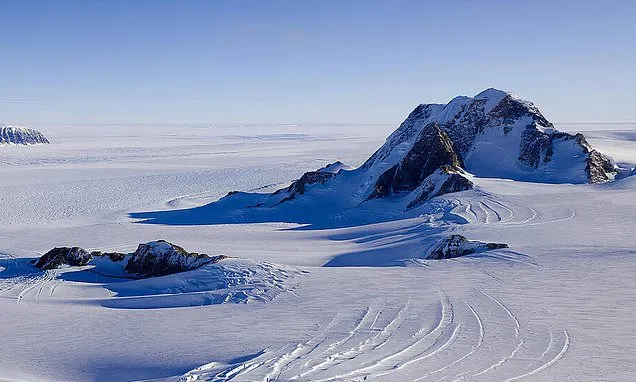
The Antarctic ice sheet covers an area of nearly 14 million square kilometers and is the largest single mass of ice on Earth. While scientific bases exist on the continent, the sheer scale and harsh conditions mean that immense interior regions have never been physically traversed by humans. The ice itself preserves a record of Earth’s climate history, but accessing and drilling through kilometers of ice to study the bedrock and any potential life beneath is an enormous undertaking. Subglacial environments, shielded from surface conditions, are thought to harbor unique microbial life.
Inaccessible Caves and Underground Systems
The Earth’s crust is riddled with extensive cave systems, many of which are incredibly deep, complex, and dangerous. Some of these subterranean networks are so vast and labyrinthine that their full extent remains unknown, and certain passages may never be explored due to their extreme depth, narrowness, or hazardous conditions. The Movile Cave in Romania, for instance, was sealed off for millions of years, developing a unique ecosystem based on chemosynthesis rather than photosynthesis, with air toxic to most surface life. Such isolated environments are natural laboratories for studying extremophiles and evolutionary processes.
The Krubera Cave System
The Krubera Cave (Voronya Cave) in Georgia is one of the deepest known caves on Earth, reaching depths of over 2,200 meters. While speleologists have made significant progress in mapping its upper reaches, the extreme verticality, underwater passages, and technical demands make reaching its absolute bottom a perilous endeavor. The environment within these deep caves is characterized by constant darkness, high humidity, and unique geological formations, often supporting specialized life forms adapted to these conditions.
Dense, Remote Rainforests
Despite their ecological importance, some of the densest and most remote rainforests on Earth, particularly in the Amazon basin and parts of Southeast Asia and Central Africa, contain areas that have rarely, if ever, been visited by humans. These regions are characterized by thick vegetation, challenging terrain, and a lack of infrastructure, making access extremely difficult. The biodiversity within these untouched pockets is likely immense, with countless species of plants, insects, and animals yet to be discovered or documented.
The ‘Green Desert’ of the Amazon
Certain areas within the Amazon rainforest are so remote and inaccessible that they are sometimes referred to as ‘green deserts’ in terms of human visitation. These regions are often characterized by dense canopy cover that limits visibility, extensive river systems that can be difficult to navigate, and a lack of established trails or settlements. Indigenous communities may inhabit some of these areas, but vast tracts remain virtually unknown to the outside world, holding secrets of biodiversity and ecological processes.
Isolated Mountain Summits and Plateaus
While major peaks like Mount Everest are frequently climbed, numerous smaller, more remote mountains and high-altitude plateaus around the globe remain unclimbed. These often possess sheer cliffs, treacherous weather conditions, or are situated in politically unstable or inaccessible regions. The tepuis of Venezuela, for example, are tabletop mountains with sheer vertical cliffs that isolate their summits, creating unique ecosystems that have evolved in isolation for millennia. Their flat, inaccessible tops represent miniature, unexplored worlds.
The Unclimbed Peaks of the Himalayas
Beyond the famous 8,000-meter peaks, the Himalayas and other major mountain ranges contain thousands of smaller, yet technically challenging, unclimbed summits. Many of these are considered sacred or are located in restricted areas, further limiting access. The sheer scale of these mountain ranges means that even with modern technology, many remote faces and peaks remain virgin territory for mountaineers, preserving their pristine, untouched character.
Conclusion: The Enduring Mystery of Earth
These unexplored locations serve as a powerful reminder that our planet still holds profound mysteries. From the crushing darkness of the deep sea to the frozen expanses of the poles and the dense interiors of remote jungles, these frontiers beckon with the promise of discovery. As technology advances, the possibility of exploring these last untouched places grows, but their inaccessibility and the sheer scale of the challenge ensure that they will continue to be subjects of wonder and scientific inquiry for the foreseeable future.