
Prime Minister Anthony Albanese’s commitment to safeguarding creative copyright in the face of advancing artificial intelligence has been met with widespread approval from Australian musicians. The pledge aims to ensure artists retain control over their intellectual property as AI technologies increasingly influence music creation and distribution.
Protecting Creative Work in the Age of AI
Musicians have voiced growing concerns about their work being used without consent to train artificial intelligence models, a process they liken to theft. This training data can then be used to generate new music or lyrics, potentially devaluing original human artistry. The Prime Minister’s acknowledgment of this issue as “theft” has provided a significant morale boost to artists who feel their livelihoods are under threat.
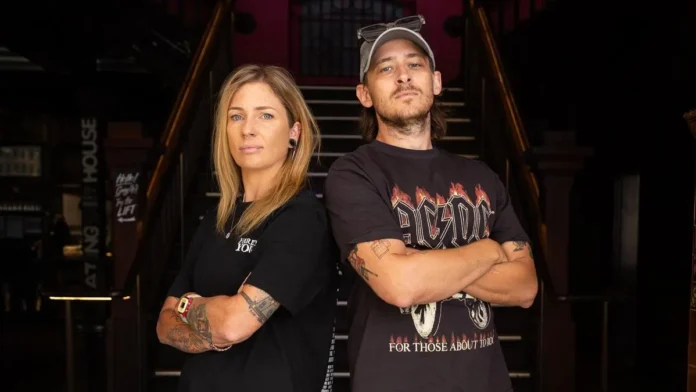
Geraldton-based punk band Ratsalad, comprising Ken and Jaz McCartney, reported that approximately 20 of their songs may have been incorporated into AI training datasets. Ken McCartney expressed relief that the government is recognizing the severity of the situation. “For the Prime Minister to come out and say that it is stealing and it’s ‘theft,’ I mean, that’s in line with how we’re feeling about it,” he stated. “So that’s given us a bit of confidence around that the government might start to take this more seriously.” He further elaborated that using their music to train models for international tech corporations constitutes exploitation of Australian artists and decades of their creative labor.
Jaz McCartney emphasized the need for AI models to remove unauthorized content and for artists to receive compensation for their work. While acknowledging the potential threat, she also noted a silver lining: “The one thing that makes us feel a bit more secure is that, obviously, AI can’t put on live performances. So as long as people are supporting bands by going to their shows, I think we’ll still have a thriving scene of musicians.”
Legislative Action and Artist Concerns
Perth singer-songwriter Carla Geneve found reassurance in the government’s intention to introduce legislation establishing national standards for AI data centers early in the coming year. “It’s great that they’re actually doing something about it,” Geneve commented before a performance. She highlighted that copyright infringement by AI is a pervasive issue among her peers. “I can type into ChatGPT or Gemini or whatever you use. Write a Carla Geneve song, and it takes all my lyrics and puts them in a blender and gives it back to me,” she explained, underscoring the ease with which AI can replicate or remix existing artistic styles.
Geneve praised the government’s proactive stance, noting that musicians have historically lacked adequate legislative protection. “Historically musicians are pretty underrepresented with legislation to protect their work and protect their income,” she observed. She described the non-consensual use of intellectual property by AI companies as deeply concerning. “My concern is that people aren’t gonna know when they’re listening to AI music, which they kind of already don’t,” she added, pointing to the potential for AI-generated music to become indistinguishable from human-created work.
Regarding the Prime Minister’s proposal for creatives to control the pricing of deals with AI companies, Geneve expressed skepticism about engaging in such agreements. “If I had the choice, probably not, because if they own the rights to my voice and they own the rights to everything that I’ve done, then what’s to say that they can’t make 1000 songs by me, and like the songs that I make will just completely be drowned out. So it’d be essentially like making a copy of me that I can’t control,” she articulated her fear of being entirely replicated and overshadowed by AI-generated content.
Industry Voices and Future Implications
Cal Kramer, frontman for The Southern River Band, conveyed his strong appreciation for the government’s direct approach to the issue. He stated that he has “every concern” regarding the unregulated use of AI in the music sector. “Hopefully the lawmakers continue to acknowledge that it is theft and evolve the laws as the technology evolves,” Kramer urged, emphasizing the need for legal frameworks to keep pace with technological advancements.
Owen Whittle, head of West Australian Music (WAM), echoed these sentiments, noting that technology is increasingly undermining the music industry and diminishing the perceived value of musicians’ work. Whittle raised critical questions about the practical application of the new policies: “What happens to work which has already been stolen? Will tech oligarchs be forced to remove it or will there be penalties and compensation?” he inquired, highlighting the need for clarity on remediation for past infringements.
Annabelle Herd, CEO of the Australian Recording Industry Association (ARIA), affirmed the Prime Minister’s commitment to Australian creators. “The Prime Minister could not have been clearer: Australian writers and musicians keep ownership and control of their work. Artists control what that work is worth, not the Government and not a technology company,” Herd stated emphatically. She stressed that the ability for artists to set the price, value, and terms of use for their work is fundamental to a functioning commercial licensing market, mirroring practices globally. “In the Prime Minister’s words: anything less is theft,” she concluded, sending a clear message to AI companies that the era of uncompensated use is ending.
Conclusion: A Step Towards Artist Empowerment
The Prime Minister’s pledge represents a significant step toward empowering Australian artists and protecting their creative output from unauthorized AI exploitation. By emphasizing artist control over their work and its commercial value, the government aims to foster a more equitable environment for creators in the digital age. The proposed legislative actions are anticipated to provide much-needed clarity and protection, ensuring that the value of artistic labor is recognized and respected.