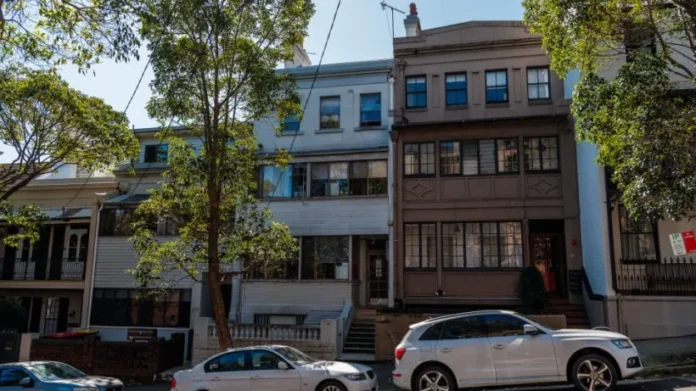
Home ownership in Greater Sydney has plummeted to its lowest point in approximately 70 years, with the rate now standing at 59.9 per cent as of 2025. This significant decline, revealed by new analysis from accounting firm KPMG, places Sydney’s owner-occupier rate at levels not seen since the late 1950s and marks a sharp drop from the 61.1 per cent recorded in the 2021 national census. The trend highlights a growing affordability crisis in Australia’s largest city, contrasting with more positive developments in other parts of the country.
Sydney’s Declining Home Ownership: A Historical Perspective
KPMG’s research, which integrates 2021 Census data, ABS housing survey statistics, and rental bond information, paints a stark picture for Sydney residents aspiring to own their homes. Urban economist Terry Rawnsley, who contributed to the analysis, stated that Sydney has effectively regressed by over half a century in terms of home ownership rates. “The city probably has not seen ownership rates this low since the late 1950s, which shows just how far affordability has moved against households trying to buy where they live,” Rawnsley commented. The analysis specifically tracks owner-occupiers – those living in a home they own – and excludes ‘rentvestors’ who own property but rent their own residence.
Nationally, the owner-occupier proportion also saw a slight decrease, falling from 66.3 per cent in 2021 to an estimated 65.9 per cent in 2025. However, this nationwide dip was largely driven by the significant downturn in Sydney and regional New South Wales, indicating that younger Australians in particular are facing considerable barriers to entering the property market.
Divergent Trends Across Australia: Queensland and WA Lead
While Sydney grapples with declining home ownership, other Australian states are experiencing a different reality. Excluding New South Wales, the national owner-occupier rate remained relatively stable between 2021 and 2025. Notably, Queensland and Western Australia have seen marked improvements.
Queensland’s Housing Market
In Queensland, the proportion of residents owning the home they live in increased from 63.9 per cent in 2021 to 64.9 per cent in 2025. This suggests a more accessible market for aspiring homeowners in the Sunshine State.
Western Australia’s Growth
Western Australia has also demonstrated positive momentum, with its owner-occupier rate climbing from 69.2 per cent in 2021 to 69.9 per cent in 2025. This growth further solidifies WA’s position as a more attainable market for home ownership.
Victoria Holds Steady
Victoria’s home ownership rate remained consistent over the period, with 68.7 per cent of households owning the home they occupied.
Factors Driving Regional Housing Success
KPMG attributes the more favourable conditions in states like Western Australia and Queensland to a confluence of factors that became more pronounced during the pandemic. Ultra-low interest rates, coupled with the widespread adoption of remote working, provided flexibility and opened up wider housing options for individuals. “Western Australia and Queensland offered a rare combination during the pandemic: relatively affordable homes, ultra-low borrowing costs and the flexibility for people to work from almost anywhere,” Rawnsley explained. He suggested that these conditions may have prompted some residents to sell existing properties or enabled others to purchase homes they otherwise could not have afforded in more expensive cities like Sydney.
Rawnsley concluded that the data clearly indicates affordability is actively reshaping the Australian housing landscape. “The data shows affordability is redrawing the housing map,” he stated.
National Housing Market Snapshot and Future Outlook
The trends in home ownership occur against a backdrop of recent national housing price movements. National house prices experienced a slight decrease of 0.3 per cent in June, according to data from REA Group. Sydney and Perth recorded the most significant price drops for the month, followed by Melbourne and Canberra. Darwin was the sole capital city to see an increase in prices. Despite this monthly dip, attributed to interest rate hikes and capital gains tax adjustments, prices in most capital cities remain higher than a year ago, with the national average up 5.8 per cent annually.
Despite the challenges faced by Sydneysiders, there are underlying positive indicators for home ownership across the nation. The Australian Bureau of Statistics (ABS) reported a record number of dwellings under construction in the March quarter, reaching 243,900, an increase from 220,300 a year prior. Furthermore, ABS data indicates a rise in loans issued to first-home buyers, increasing from 117,200 in the year to March 2025 to 120,500 in the year to March 2026, even amidst rising interest rates.
Gerard Burg, head of research at Cotality, acknowledged the difficulties, particularly for younger generations in Sydney. “Sydney really does stand out as the least affordable,” Burg noted. He highlighted that Sydney’s median dwelling value of $1.2 million is more than ten times the median household income of $108,000 in Greater Sydney, presenting a substantial hurdle. Burg also pointed to anticipated planning challenges in Greater Sydney over the next decade, which could further complicate housing accessibility for various professions.
Despite these significant affordability challenges in Sydney, Rawnsley remains cautiously optimistic about the broader national picture. “The dream of owning a home is far from dead,” he asserted. “Australians are adapting, relocating and working hard to get into the market, and the combination of more housing supply and targeted support is creating a pathway to home ownership for more households.”