
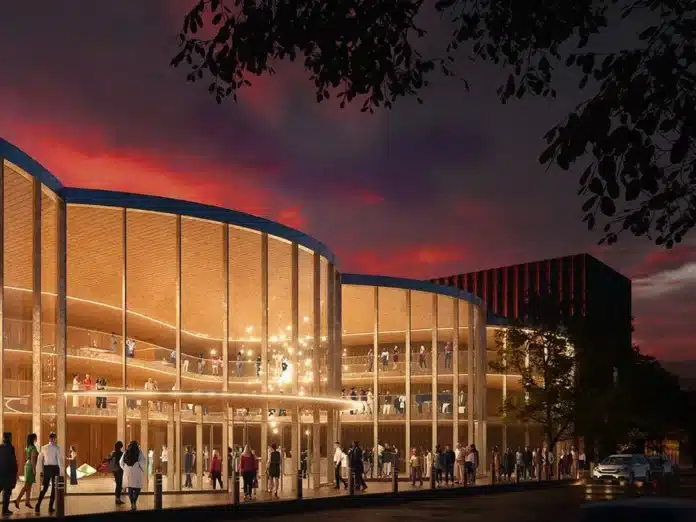
A coalition of 32 Vancouver performing arts organizations has unveiled a comprehensive vision for new concert halls and performance venues, aiming to address a critical shortage of adequate space in the city. The proposal, developed over two years, highlights Vancouver’s position as having the lowest per-capita music hall capacity among major Canadian and comparable international cities. This lack of space impacts numerous groups, from youth choirs to symphony orchestras, hindering their ability to perform and grow.
The Seating Crisis in Vancouver
Vancouver currently offers only 0.52 seats per 1,000 residents for music halls, significantly trailing behind cities like Calgary, which boasts 1.00 seat per 1,000 residents. This disparity is exacerbated by a growing regional population, leading to an ever-widening gap in available performance space. Suzanne Anton, chair of the Vancouver Concert Hall and Theatre Society, emphasized the urgency of the situation. “The Vancouver Youth Choir is the best in the world,” Anton stated. “Their Christmas concert could sell out the Orpheum twice. But they can’t get into the venue.” She further noted that all 32 coalition organizations, which span music and dance disciplines, require venues with excellent acoustics, a need that is currently unmet by existing Vancouver facilities.
Proposed Solutions: A New Cultural Precinct
The coalition’s vision includes the development of a new Vancouver Cultural Precinct. Three potential locations are under consideration: Robson Square, the Queen Elizabeth Theatre and Vancouver Playhouse area, and the False Creek waterfront situated between B.C. Place and Science World. Each of these proposed sites would accommodate a multi-venue complex designed to meet diverse artistic needs. The plans outline:
- A 2,000-seat, full-production proscenium theatre suitable for large-scale performances.
- A 1,700-seat concert hall specifically designed for optimal acoustics.
- An 800-seat performance theatre for mid-sized productions.
- A 400-seat multi-use space for smaller events, rehearsals, or community gatherings.
These proposed venues are intended to be flexible, allowing for a variety of performances, from orchestral concerts and operas to touring acts and contemporary music events. This flexibility is crucial for accommodating the varied programming needs of the coalition’s member organizations.
Current Venue Limitations
Vancouver’s existing downtown arts performance scene offers a total of 6,250 seats. However, a significant portion of this capacity, 85 percent, is concentrated in two large venues: the Orpheum (2,700 seats) and the Queen Elizabeth Theatre (also 2,700 seats). The next largest civic theatre is the Vancouver Playhouse with 660 seats, followed by The Annex with a mere 190 seats. This concentration in a few large venues means that many artistic groups struggle to find suitable spaces for their performances.
Angela Elster, president and CEO of the Vancouver Symphony Orchestra (VSO), highlighted the specific acoustic challenges faced by her organization. While acknowledging the Orpheum’s historical significance, Elster explained that it was not ideally designed for orchestral performances. “The sweet spot for a symphony orchestra is around 1,800 seats, and neither the Orpheum or Queen Elizabeth were designed for orchestra,” Elster stated. The VSO, like many other groups, seeks a smaller, acoustically superior venue for regular performances, reserving the larger Orpheum for high-demand events like holiday concerts.
Expert Endorsement and Economic Impact
Don Schmitt, principal architect at Diamond Schmitt Architects, a firm involved in designing numerous performance spaces globally, lent his expertise to the proposal. “Vancouver is very much in need of fine tuning the menu of performance spaces which fit the scale and needs of the arts organizations involved in this coalition,” Schmitt commented. He pointed to successful projects elsewhere, such as London’s Southbank Centre, which have demonstrated significant economic returns, generating substantial annual revenue and creating numerous jobs.
Schmitt cited examples like the Geffen Hall at New York’s Lincoln Center and the Buddy Holly Hall in Lubbock, Texas, as models for creating world-class facilities. He stressed that investing in such cultural infrastructure not only benefits local artists and audiences but also contributes to the broader economic vitality of the city.
Next Steps and Funding Outlook
The immediate next step for the coalition involves evaluating the proposed locations to determine the most viable option for the new cultural precinct. Representatives from the City of Vancouver, the provincial government, and the federal government were present at the news conference to express their support for the initiative. However, no specific funding commitments were announced at the event. The success of this ambitious project will likely depend on securing significant investment from various levels of government, as well as potential private sector contributions.
The ongoing lack of adequate performance space continues to be a pressing issue for Vancouver’s vibrant arts community. This comprehensive proposal offers a potential pathway forward, aiming to equip the city with the world-class facilities it needs to support and showcase its diverse artistic talent for decades to come.