The Australian government’s proposed crackdown on gambling advertising is facing significant opposition in parliament, with the ruling Labor party indicating it might withdraw the legislation entirely rather than accept major amendments. The bill, aimed at protecting vulnerable individuals and children from gambling harms, has been met with calls for substantial changes from the Coalition, the Greens, and crossbench senators. This stalemate puts the proposed reforms at risk of being shelved, potentially leaving existing advertising regulations in place.
Labor’s Stance on Gambling Ad Bill
Despite the widespread calls for amendments, a senior Labor source indicated that the government is open to some adjustments to ensure the bill’s passage through the Senate. However, the government has drawn a line in the sand, stating it will not entertain sweeping rewrites. If the proposed changes are deemed too extensive, Labor may opt to pull the bill altogether, reverting to the status quo of current gambling advertising restrictions. Prime Minister Anthony Albanese has echoed this sentiment, suggesting that if the parliament does not support the bill as is, the option remains to maintain the existing regulations.
Proposed Reforms Under Scrutiny
Labor’s draft legislation seeks to introduce several key changes to gambling advertising. These include:
- Limiting gambling advertisements on television to a maximum of three per hour between 6:00 PM and 8:30 PM.
- Restricting radio advertisements during school pick-up and drop-off times.
- Banning gambling logos on player jerseys and within stadium promotions.
- Implementing a “triple lock” system to block underage Australians from viewing gambling ads and allowing adults to opt-out of such advertisements across all online platforms, including streaming services.
These measures are intended to create a safer environment for Australians, particularly young people and those susceptible to gambling addiction. However, the breadth and effectiveness of these proposals have been questioned by various political factions and advocacy groups.
Opposition and Crossbench Demands
The Coalition has declared it will not support the bill in its current form, labeling it as “riddled with deficiencies” and demanding “significant amendments.” Shadow Communications Minister Sarah Henderson has raised concerns about the “untested” triple lock system, the lack of measures to address gambling inducements, and the proposed settings for TV ad restrictions. She argued that Labor’s plan could weaken existing protections, such as the ban on gambling ads during live sport implemented by the former Coalition government in 2018. The Coalition points to Labor’s proposal allowing digital platforms to show ads during breaks in live sport, subject to an opt-out system, as a potential privacy concern and a weakening of current rules.
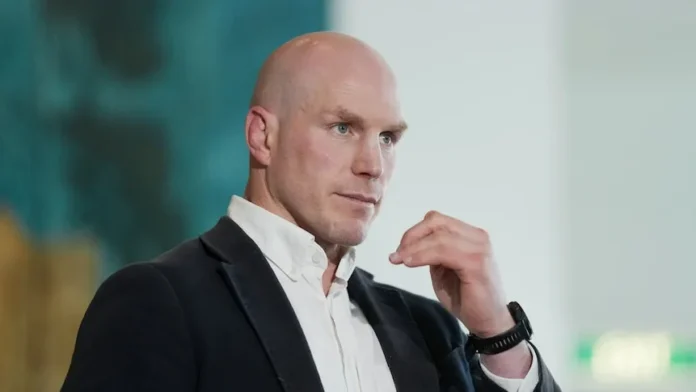
The Greens and other crossbench senators are also pushing for more stringent reforms, including a complete ban on gambling advertising during live sports broadcasts and an end to harmful inducements. Senator David Pocock has welcomed the Coalition’s stance and is advocating for a national gambling regulator, a full advertising ban, and the cessation of inducements, aligning with recommendations from the Murphy review.
Advocacy Group’s Warning
Tim Costello, Chief Advocate for the Alliance for Gambling Reform, has warned that it would be a “very brave” move for the Labor Party to abandon these reforms. He highlighted that unions and Labor branches are expressing concern about the government potentially yielding to vested interests, such as sports betting companies and free-to-air television networks. Costello suggested that walking away from the reforms could have significant political repercussions for Labor.
Testimony on Gambling Harms
A recent two-day Senate inquiry into the bill heard compelling evidence regarding the detrimental impact of gambling inducements, which are promotional offers like bonus bets. Former NRL player Luke Bateman, who has openly discussed his struggles with a severe gambling addiction, provided testimony about the aggressive targeting he experienced from wagering companies. He detailed how he was offered not only financial incentives like free flights and accommodation but also illicit drugs by company representatives. Senator Henderson described Bateman’s account of being “targeted” by a VIP account manager as “damning.”
During the inquiry, it emerged that Bateman had previously worked for Southern Cross Bet for six months shortly after leaving the NRL. He confirmed this employment history, stating he was still struggling with addiction at the time and left the role to enter rehabilitation. Senator Pocock, while not aware of this employment at the time of Bateman’s testimony, believes the disclosure reinforces the credibility of his account, emphasizing Bateman’s courage in sharing his experience with gambling addiction and its devastating consequences.
Industry Response and Future Outlook
Wagering companies reportedly met to discuss the proposed bill, with some privately indicating a willingness to accept a complete ban on advertising during live sports, including periods before and after games. This suggests a potential area of compromise, though broader agreement on the government’s proposed legislation remains uncertain.
The government maintains that its bill includes “significant and balanced” measures and has engaged in “constructive discussions” with the Coalition and the Greens. However, the deep divisions over the extent of reform mean the future of the gambling advertising crackdown remains precarious. The government faces a difficult decision: either accept potentially diluted reforms or risk the entire package being abandoned, leaving current regulations unchanged.