The 1960s were a pivotal decade for horror cinema, giving rise to a generation of actresses who became synonymous with terror and suspense. These performers, often dubbed “scream queens,” captivated audiences with their portrayals of vulnerability, resilience, and sheer terror in a landscape of iconic films. From Alfred Hitchcock’s psychological thrillers to the gothic chills of Hammer Film Productions, these women left an indelible mark on the genre. This exploration delves into some of the most memorable actresses who defined the 1960s scream queen archetype, examining their contributions and the films that cemented their legacies.
Defining the 1960s Scream Queen
The term “scream queen” typically refers to an actress known for her frequent appearances in horror films, often characterized by scenes where she screams in terror. However, the actresses of the 1960s often transcended this simple definition, bringing depth and complexity to their roles. They were not merely victims but often embodied strength and agency, even in the face of extreme peril. Their performances were crucial in shaping the audience’s emotional engagement with horror narratives, making them central figures in the genre’s evolution.
The cinematic landscape of the 1960s offered a fertile ground for these talents. Alfred Hitchcock, a master of suspense, continued to influence the genre with films that played on psychological dread. Simultaneously, British studios like Hammer Films specialized in gothic horror, producing visually striking and atmospheric tales of vampires, monsters, and haunted castles. These varied settings provided diverse opportunities for actresses to showcase their range.
Key Figures of 1960s Horror
Several actresses rose to prominence during this era, becoming household names for their chilling performances. Their contributions extended beyond mere fright; they brought a certain glamour and dramatic weight to the often-maligned horror genre.
Janet Leigh
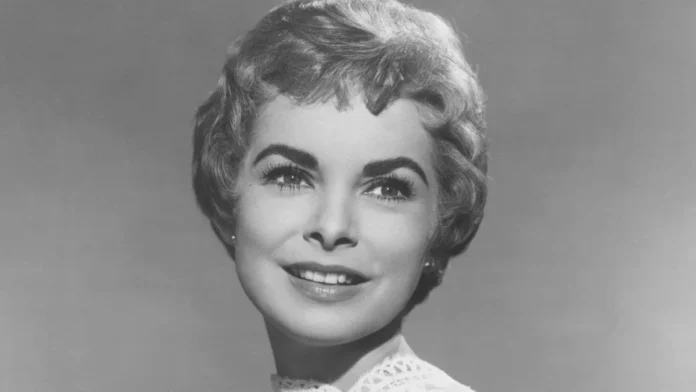
Perhaps the most iconic scream queen of the 1960s, Janet Leigh’s performance in Alfred Hitchcock’s 1960 masterpiece, Psycho, remains legendary. Her role as Marion Crane, a woman on the run who meets a shocking end in the infamous shower scene, redefined cinematic terror. While the film’s climax was groundbreaking, Leigh’s nuanced portrayal of a woman grappling with guilt and desperation in the preceding acts made her character’s fate all the more impactful. Psycho, a critical and commercial success, not only solidified Leigh’s status but also elevated the psychological thriller to new heights, proving that horror could be artful and deeply unsettling.
Barbara Shelley
A prominent figure in British horror, Barbara Shelley was a versatile actress who graced many of Hammer Film Productions’ most memorable offerings. Her roles often involved characters facing supernatural threats or tragic circumstances. Notable appearances include The Gorgon (1964), where she played a young woman menaced by a monstrous snake-woman, and Dracula Prince of Darkness (1966), in which she portrayed a woman drawn into the Count’s sinister world. Shelley’s elegant presence and ability to convey both fear and determination made her a compelling figure in gothic horror. She also starred in the science fiction horror classic Village of the Damned (1960), showcasing her range beyond the typical Hammer fare.
Ingrid Pitt
Ingrid Pitt became one of Hammer’s most recognizable stars, embodying a powerful and often seductive screen presence. Her breakout role came in 1970 with The Vampire Lovers, though her earlier work in the late 1960s laid the groundwork for her stardom. She is perhaps best remembered for her role as Countess Bathory in Countess Dracula (1971), a film that explored the legend of the bloodthirsty countess. Pitt’s commanding performances, often featuring a distinct accent and striking beauty, made her a formidable presence in horror cinema. Her contributions helped define the sensual and terrifying allure of Hammer’s gothic tales.
Hazel Court
Hazel Court was another significant actress associated with Hammer Films and other horror productions of the era. She starred in The Curse of Frankenstein 1957 (though released in 1957, her career continued into the 60s with horror roles), and later appeared in The Masque of the Red Death (1964), a visually stunning Edgar Allan Poe adaptation directed by Roger Corman. In this film, she played a noblewoman caught in the decadent and deadly revelry of Prince Prospero. Court’s performances often exuded a sophisticated charm, even as her characters faced dire fates. Her work in Corman’s Poe cycle, known for its rich visuals and thematic depth, further cemented her place in horror history.
Veronica Carlson
Veronica Carlson emerged as a key actress for Hammer Films in the late 1960s and early 1970s. She starred opposite Christopher Lee in Dracula Has Risen from the Grave (1968), playing a young woman who becomes entangled in the vampire’s machinations. She also appeared in The Horror of Frankenstein (1970) and Scars of Dracula (1970). Carlson brought a youthful energy and a sense of vulnerability to her roles, making her a relatable figure for audiences navigating the terrifying worlds presented by Hammer. Her presence was instrumental in the studio’s continued output of gothic horror during a transitional period for the genre.
The Enduring Legacy of 1960s Scream Queens
The actresses of the 1960s who excelled in horror cinema did more than just scream; they embodied the fears and anxieties of their time while pushing the boundaries of cinematic storytelling. Their performances were often nuanced, demonstrating courage and resilience in the face of supernatural or psychological threats. These women were not just faces of terror but integral to the narrative power of the films they starred in.
The influence of these 1960s scream queens can still be felt today. They paved the way for future generations of actresses in the horror genre, establishing a legacy of strong female characters who, despite their perilous situations, often found ways to confront or survive the horrors that pursued them. Their contributions are a vital part of horror film history, celebrated for their talent, bravery, and the lasting impact they had on audiences worldwide.