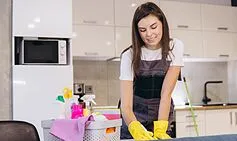
When faced with a cluttered kitchen, knowing where to begin can be the biggest hurdle. For many, professional cleaning services aren’t always feasible, making a thorough DIY kitchen clean a common necessity. Fortunately, insights from cleaning professionals can simplify the process. One such expert, Charlotte, a home cleaner with a significant following on TikTok, regularly shares her methodical approach to tackling household chores, including the often-daunting kitchen.
The Professional Cleaner’s Starting Point
Charlotte emphasizes a consistent strategy for cleaning any room, and the kitchen is no exception. Her fundamental principle is to always start from the top and work downwards. This method ensures that any dust or debris dislodged during the initial stages falls onto surfaces that have yet to be cleaned, preventing the need to re-clean areas.
Step-by-Step Kitchen Maintenance Clean
Charlotte outlines a detailed process for a regular maintenance clean of a kitchen, designed to be efficient and effective. Her approach prioritizes thoroughness while minimizing wasted effort.
Initial Dusting and Cabinet Fronts
The cleaning process begins with high dusting, using an extendable tool to reach cobwebs and dust from ceiling corners, light fixtures, and the tops of cabinets. Following this, Charlotte moves on to cleaning the cupboard fronts. A key tip she shares is to spray cleaning products onto a cloth rather than directly onto the cupboard surfaces. This prevents potential staining or drips that can occur when liquid is applied directly, especially on certain finishes.
Cleaning Tables and Chairs
Next, the kitchen table is addressed. Charlotte stresses the importance of buffing and drying surfaces thoroughly after cleaning. This includes cleaning placemats and other items that were on the table before returning them. The chairs are then cleaned, ensuring all surfaces are wiped down and sanitized.
Countertops and Appliances
Countertops are a focal point in any kitchen, and Charlotte uses a pH-neutral cleaner, specifically Jangro Premium Citrus Cleaner, for her marble countertop. She notes that while pH-neutral, the product is effective at cutting through grease and grime. The method involves spraying the cleaner, allowing it to soak briefly, and then scrubbing the surface. After cleaning, she buffs the countertops to a shine. Throughout this process, she works from left to right, a systematic approach that ensures no area is missed. As she moves around the kitchen, Charlotte also sanitizes light switches and cleans appliance exteriors, buffing them to a shine. She advises removing everything from countertops, cleaning underneath items, and then replacing them to ensure a truly clean surface.
Tackling the Hob
Cleaning the hob often requires specific attention. Charlotte begins by removing burner tops and grates. These components are thoroughly cleaned, often using Bar Keepers Friend Power Clean, with a caution to buff the product off promptly. This is because the product contains acid, which could potentially damage surfaces if left on for too long. For more stubborn stains on burner caps and plates, a soap-filled scour sponge is employed, proving effective against tough brown marks.
Sink and Bin Sanitation
The sink is another area that requires diligent cleaning. Charlotte uses Bar Keepers Friend Power Clean again for a deep clean, followed by disinfectant. Buffing the sink ensures it looks shiny and clean. If the kitchen bin needs emptying, she recommends doing this first. Afterward, the bin is sprayed with disinfectant, allowed to sit to work, and then dried thoroughly to prevent streaks or drips.
Finishing Touches and Floor Cleaning
Charlotte emphasizes the importance of disinfecting high-touch points, such as door handles, light switches, and sockets, as a final sanitization step. The cleaning routine concludes with dusting skirting boards and door frames, followed by general dusting of sideboards, cabinets, mirrors, and lamps. The final stages involve vacuuming the entire floor area, including pulling out furniture to clean underneath, and then mopping the floor thoroughly. The process is completed by ensuring chairs are pulled out from the table, leaving the kitchen fresh and clean.
Key Takeaways for an Effective Kitchen Clean
- Start High, Work Low: Always begin dusting and cleaning from the highest points in the room and work your way down to avoid re-soiling cleaned areas.
- Spray on Cloth: Apply cleaning solutions to your cloth, not directly to surfaces, to prevent drips and potential damage.
- Systematic Approach: Work in a consistent direction (e.g., left to right) to ensure thoroughness and efficiency.
- Detail Matters: Clean under items on countertops, sanitize touch points, and don’t forget areas like skirting boards and door frames.
- Product Choice: Use appropriate cleaners for different surfaces (e.g., pH-neutral for marble, specific cleaners for hobs) and follow product instructions carefully.
By adopting Charlotte’s methodical and top-to-bottom approach, maintaining a sparkling clean kitchen becomes a more manageable and less daunting task.