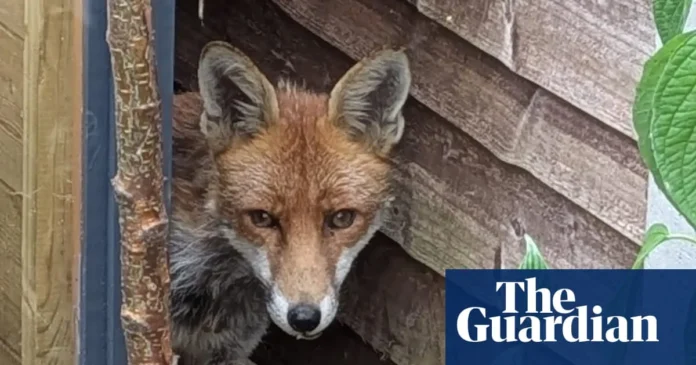
A sudden, piercing shriek shattered the mid-morning peace, signaling an immediate threat. Rushing from the patio door, the author witnessed a startling scene: a fox, its jaws clamped around the tail feathers of a hen, poised to strike. Driven by an primal instinct to protect the flock, the author confronted the predator, shouting and growling, creating a tense standoff.
A Tense Encounter and a Narrow Escape
The confrontation between human and animal was brief but intense. The fox, momentarily frozen by the unexpected intervention, locked eyes with the author. In the ensuing silence, the author checked on the chickens, Cumulus and Burnet, only to find the third hen, Moss, unharmed and safe in her run. The fox, realizing its predatory attempt had failed, fled, though it remained in the vicinity, its gaunt appearance suggesting a difficult struggle for survival.
The author observed the fox’s emaciated state, realizing it was not a cunning aggressor but an animal driven by desperation. The harsh conditions of a heatwave-stricken summer had evidently made finding food a significant challenge. In an act of compassion, a bowl of water was offered to the struggling creature while the author’s husband searched the surrounding gardens to ensure the hens hadn’t escaped through a gap in the fence.
Understanding Fowl Behavior Under Duress
A quick online search revealed fascinating insights into how chickens react when frightened. It’s common for them to seek cover and remain hidden for extended periods, sometimes for days. Their hiding places can be as varied as trees or even beneath household furniture. One particularly unusual account mentioned a cockerel that returned ten days after an attack, accompanied by two stray kittens.
The Orpington Bantams: A Five-Year History
The author’s flock consists of three Orpington bantams: Moss, Cumulus, and Burnet. Named by the author’s daughter after characters from Melissa Harrison’s “Hidden Folk in By Ash, Oak and Thorn,” these hens have been part of the family for five years. Typically, they enjoy the freedom of free-ranging in the garden during the summer months. While foxes have been observed on trail cameras, their presence had previously been limited to nocturnal visits.
A Daylight Raid: Signs of Extreme Hunger
The fox’s decision to attempt a daylight raid on the chicken run indicated a level of desperation rarely seen. This deviation from its usual nocturnal hunting pattern highlighted the severity of its hunger. The author expressed a hope that the fox would soon find sustenance, emphasizing that this wish was contingent on its prey not being one of their beloved chickens.
The Impact of Environmental Hardship on Wildlife
The incident serves as a stark reminder of the challenges wildlife faces, particularly during extreme weather events like prolonged heatwaves. Such conditions can disrupt natural food sources, forcing animals to take greater risks in their search for sustenance. The author’s empathy towards the fox, despite the threat it posed, underscores the complex relationship between humans and wildlife, especially when environmental pressures are high.
Lessons in Resilience and Coexistence
While the immediate threat was resolved, the encounter left a lasting impression. It highlighted the resilience of both the hens, who managed to evade the predator, and the fox, which continues its struggle for survival. The situation also brought to light the importance of understanding animal behavior, both domestic and wild, and the delicate balance of coexistence in shared environments. The author’s actions, from confronting the fox to offering water, reflect a nuanced approach to wildlife encounters, balancing the need for protection with a recognition of the natural world’s inherent struggles.
Future Considerations for Farmyard Security
Following the incident, the author and her husband reinforced the chicken run, ensuring the hedgehog hole in the fence was secured. This proactive measure aims to prevent future intrusions and protect the flock. The experience has prompted a re-evaluation of farmyard security, particularly in light of changing environmental conditions that may increase the likelihood of such desperate wildlife encounters.
Conclusion: A Delicate Balance
The story of the fox and the hens is a microcosm of the broader challenges faced in rural environments. It illustrates the constant interplay between domestic animals, wildlife, and the human inhabitants of the land. While the immediate danger passed, the underlying issues of habitat, food scarcity, and the need for secure living spaces remain. The author’s narrative offers a poignant glimpse into the realities of country living, where moments of beauty and tranquility can be abruptly interrupted by the raw necessities of survival, prompting reflection on empathy, resilience, and the enduring quest for balance.