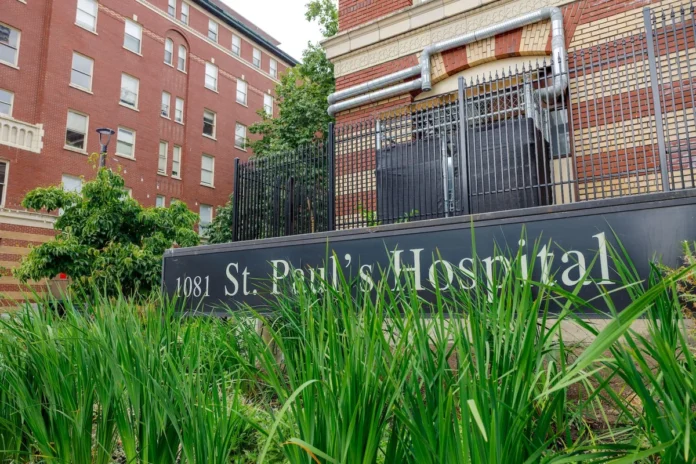
Vancouver’s upcoming municipal election will feature a public safety plebiscite, presenting a critical opportunity for voters to gauge where candidates stand on complex issues surrounding mental illness and public health. City Council has directed staff to include two non-binding questions on the 2026 ballot: one concerning stricter laws against open-air hard drug use in public spaces, and another proposing the creation of a secure medical facility with at least 100 involuntary treatment beds at the former St. Paul’s Hospital site.
Premier David Eby expressed surprise at the potential for widespread support for such measures, noting his government’s likely agreement. However, the proposal has also drawn criticism, with opponents labeling it a politically motivated tactic and a wasteful use of taxpayer funds, questioning the feasibility of its goals. While the suitability of the old hospital site for a treatment facility warrants thorough investigation, the fundamental challenge remains the urgent need for enhanced services and increased capacity for treating individuals with mental illness in the city.
The Plebiscite as a Mandate for Mental Health Policy
The inclusion of mental health as a key issue on the municipal ballot is crucial. Voters need clarity on where potential city leaders stand regarding involuntary and voluntary treatment options, housing solutions, and comprehensive support services. This is particularly relevant following a recent Supreme Court of British Columbia ruling that invalidated key provisions of the BC Mental Health Act concerning involuntary treatment. The incoming municipal government must actively engage with these critical decisions, and the electorate deserves insight into their proposed approaches.
Traditionally, mental healthcare is categorized as a provincial responsibility, often leaving municipalities feeling limited in their capacity to enact solutions. However, Vancouver’s initiative demonstrates a proactive stance, recognizing severe mental illness as a significant municipal concern impacting individuals, families, and the broader community. This approach encourages bold ideas and acknowledges the role local government can play.
Key Policy Pillars for Municipal Candidates
Organizations like the BC Schizophrenia Society advocate for a robust policy framework that municipal candidates should consider. A comprehensive approach to mental illness at the municipal level should encompass several key areas:
- Support for Treatment: Candidates should champion collaborative crisis response initiatives, provide education for frontline workers, and support early intervention programs designed to improve outcomes for individuals with severe mental illness and their families.
- Accessible and Affordable Care: Municipal planning processes should actively encourage and facilitate community-based mental health services, working to dismantle barriers that hinder access to care and recovery supports.
- Supported Housing: Municipal leadership is vital in supporting housing initiatives through strategic planning, fostering partnerships, and engaging the community. Adequate supported housing is foundational for recovery and overall community well-being.
- Inclusion of Lived Experience: It is essential that individuals with lived experience of severe mental illness and their family caregivers are integral to municipal consultations, planning processes, and community-driven initiatives.
Beyond the Status Quo: Leadership and Vision
While Mayor Ken Sim’s proposal for the St. Paul’s Hospital site may not be a singular solution, it represents a significant step forward and has successfully initiated a vital public conversation. Engaging the public directly to build a mandate for action is not a frivolous exercise; it is a fundamental aspect of democratic engagement and an opportunity to address a pressing societal issue.
Critiquing a plebiscite requires little effort, but presenting a concrete plan for voters to evaluate demonstrates leadership. This plebiscite offers Vancouver residents a chance to voice their concerns and expectations, moving beyond mere criticism to actively shape policy. The upcoming election provides a platform for candidates to articulate their vision and present tangible ideas for addressing one of the city’s most critical challenges, ensuring Vancouverites have a meaningful say in their community’s future.