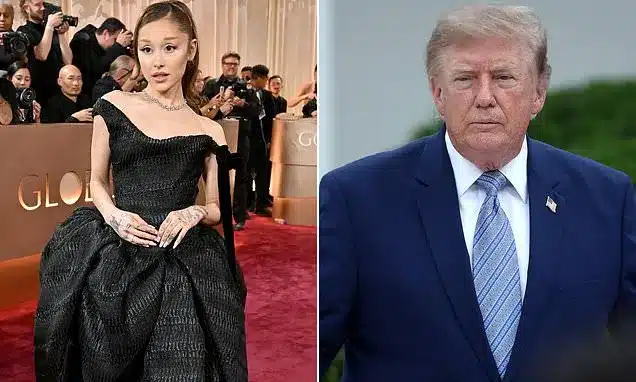
Pop superstar Ariana Grande has publicly expressed her strong disapproval after a TikTok video posted by the official “Team Trump” campaign account utilized a lyric from her song “We Can’t Be Friends (Wait for Your Love)” in conjunction with anti-transgender messaging. The singer issued a direct command, stating, “Never use my music again,” and further challenged the video’s content, asserting, “Also, your truth is false.”
Unauthorized Music Use Sparks Controversy
The TikTok post, which appeared on Thursday, featured a segment of President Donald Trump approaching a podium at a rally held on October 27, 2024, at New York City’s Madison Square Garden. Over this footage, a lyric from Grande’s 2024 single was displayed: “Me and my truth we sit in silence.” This was followed by text that read, “Men can’t have babies and should never compete in women’s sports.” The video was captioned with hashtags including #trump and #maga, and the statement, “This shouldn’t be controversial!”
Sources reportedly connected to Ariana Grande indicated that efforts were underway to have the song removed from the offending post. Conversely, individuals close to the president stated that neither the White House nor the president’s personal account was responsible for publishing the video. Representatives for both Grande and the White House were contacted for further comment regarding the incident.
Public Reaction and Previous Incidents
The social media post quickly drew a range of reactions in the comments section. Many of Grande’s followers expressed support for her stance, with some anticipating her response and others hoping she would pursue legal action. Supporters of President Trump defended the video’s message, with some commenters expressing confusion over the opposition to the sentiment presented.
This is not the first instance of Grande’s music being used in a context she has opposed. In June, the White House faced criticism from the singer after her 2024 track “Bye” was used in a TikTok clip highlighting arrests made by U.S. Immigration and Customs Enforcement (ICE). At the time, Grande posted a comment on the platform, stating, “Please do not ever use my music in relation to this barbaric, inhumane, heinous nonsense.” She further elaborated on her feelings about the agency, writing, “Fck ice.”
Following that incident, White House spokeswoman Abigail Jackson responded to Grande’s criticism. According to reports, Jackson repurposed Grande’s words to frame the objective of the ICE arrests shown in the clip, stating, “We’ll say this one last time: what’s actually barbaric, inhumane, and heinous are the criminal illegal aliens who have injured and murdered innocent American citizens.”
Ariana Grande’s Stance on Social and Political Issues
Ariana Grande has been vocal about her political and social views in the past. During the 2024 election cycle, she publicly endorsed Democratic presidential candidate Kamala Harris. After Harris’s electoral defeat in November 2024, Grande shared an Instagram post expressing solidarity with those affected by the outcome and provided links to resources for the LGBTQ+ community.
Her engagement with social causes extends to her past participation in events like “In Performance at the White House: Women of Soul” in 2014, where she performed. Furthermore, Grande has made donations to organizations such as the Protect & Defend Trans Youth Fund and Planned Parenthood, underscoring her consistent support for causes related to youth protection and reproductive rights.
Broader Context of Music Licensing and Political Campaigns
The use of popular music in political campaigns, particularly on platforms like TikTok, often navigates complex legal and ethical territory regarding music licensing. Artists generally retain the rights to their music, and unauthorized use can lead to legal challenges. Campaigns must typically secure licenses to use copyrighted material, though the specifics can vary depending on the platform and the nature of the use.
This latest incident highlights the ongoing tension between artists’ rights and the ways their work is incorporated into political messaging. Grande’s firm response emphasizes her desire to control the context in which her music is presented, especially when it is associated with messages she finds objectionable or contrary to her values. The situation also brings attention to the broader discourse surrounding transgender rights and the role of public figures in these conversations.
Conclusion
Ariana Grande’s swift and firm reaction to the unauthorized use of her song in an anti-transgender TikTok video posted by the Trump campaign underscores the importance of artistic control and the potential for music to be co-opted for political purposes. The incident, coupled with previous similar occurrences, signals a continued need for clarity and respect in the licensing and application of music within political spheres. As the digital landscape evolves, so too does the dynamic between creators, their audiences, and the political messages that intersect with their work.