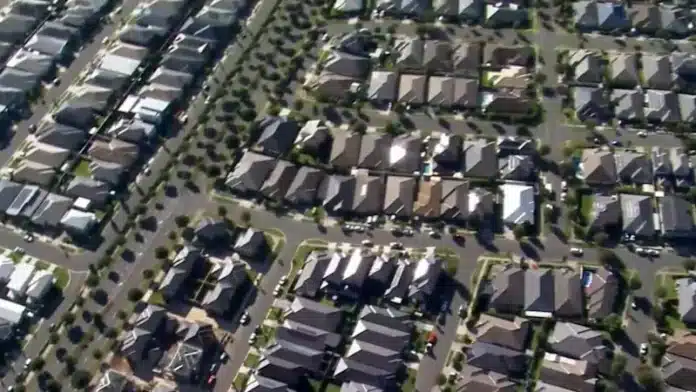
Rents across several Australian capital cities have experienced a dramatic surge, with some areas seeing increases of up to 80 percent over the past five years. This significant escalation in rental costs, as indicated by data from property analytics firm Cotality, is placing considerable pressure on tenants and reshaping the nation’s housing market.
Understanding the Rental Price Surge
The escalating cost of renting is not a uniform phenomenon but is particularly pronounced in major urban centers. Analysis of rental market trends reveals a consistent upward trajectory in prices, far outpacing wage growth for many households. This trend has become a focal point for policymakers, economists, and the general public concerned about housing affordability.
Cotality’s findings highlight specific regions where the rental price hikes have been most severe. While the national average may not reflect these extreme cases, the impact on individuals and families in these affected areas is substantial. The data suggests a complex interplay of factors contributing to this market shift.
Key Factors Driving Rent Increases
Several interconnected elements are believed to be fueling the rapid rise in rental prices:
- Supply Shortages: A persistent undersupply of rental properties, particularly in high-demand urban areas, is a primary driver. Limited new construction and a significant number of properties being converted to short-term holiday lets have exacerbated this issue.
- Population Growth: Australia has experienced robust population growth, driven by both international migration and natural increase. This influx of people increases the demand for housing, putting upward pressure on rents when supply cannot keep pace.
- Investor Activity: While investor activity can boost supply, certain market conditions might see investors benefiting from rising rents, potentially leading to less incentive to sell and add to the owner-occupier market, thereby keeping rental stock constrained.
- Interest Rate Hikes: Recent increases in interest rates have raised mortgage costs for property owners. Some landlords may be passing these increased costs onto tenants through higher rents to maintain their investment returns.
- Inflationary Pressures: Broader economic inflation affects the cost of property maintenance, insurance, and council rates, all of which can be factored into rental pricing by landlords.
Impact on Tenants and the Housing Market
The consequences of such steep rent increases are far-reaching. Tenants are facing a significant portion of their income being allocated to housing, leaving less for other essential expenses, savings, or discretionary spending. This can lead to:
- Increased Housing Insecurity: Many individuals and families are struggling to find affordable accommodation, leading to increased competition for available rentals and a greater risk of homelessness for vulnerable populations.
- Geographic Displacement: To cope with rising costs, some residents are being forced to move further away from city centers or employment hubs, leading to longer commutes and potential disruption to social and work networks.
- Reduced Consumer Spending: With more disposable income going towards rent, overall consumer spending may decline, impacting local economies.
- Shifts in Lifestyle: Some individuals may delay major life decisions, such as starting a family or purchasing a home, due to the financial strain of high rental costs.
Regional Variations and Future Outlook
While the data points to significant increases in capital cities, the intensity of the surge varies by location. Factors such as local economic conditions, specific housing supply dynamics, and regional population trends influence the extent of rent rises in different areas. For instance, cities with strong job markets and limited housing development are likely to experience more acute pressure.
Looking ahead, the trajectory of rental prices remains a key concern. Economic forecasts suggest that while the pace of rent increases might moderate, significant drops are unlikely in the short to medium term, especially if supply constraints persist and population growth continues. The affordability crisis in the Australian rental market is expected to remain a prominent issue, prompting ongoing debate about potential policy interventions, including measures to boost housing supply, regulate rental increases, and provide greater support for renters.
Addressing the Rental Crisis
Various stakeholders are exploring solutions to mitigate the impact of rising rents. These include:
- Government Initiatives: Policymakers are considering strategies to increase the supply of affordable housing, streamline development approvals, and potentially implement measures to curb excessive rent hikes.
- Developer Incentives: Encouraging developers to build more rental properties, particularly in high-demand areas, is seen as crucial.
- Tenant Support: Organizations are advocating for enhanced tenant protections and increased rental assistance programs for low-income households.
The sustained increase in rental costs across Australia’s major cities underscores a critical challenge in the nation’s housing landscape. As the market continues to evolve, ongoing monitoring of rental data and adaptive policy responses will be essential to address the pressures faced by millions of Australian renters.