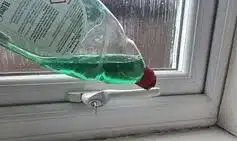
As autumn settles in across the UK, households are being advised to use a common kitchen staple – washing-up liquid – to combat a persistent seasonal problem: window condensation. With cooler, wetter weather replacing the record-breaking summer heat, the shift in climate can lead to moisture buildup inside homes, particularly on windows. This condensation not only obscures views but can also foster the growth of mould and mildew, posing risks to both property and health.
Understanding Autumn Condensation
The Met Office has indicated a significant weather change, with forecasts predicting heavy rain showers in many parts of the country. This increased moisture in the air, combined with the drop in external temperatures, creates the ideal conditions for condensation to form indoors. The phenomenon occurs when warm, moist air inside a home comes into contact with the cold surface of window glass. As the air cools, it releases its moisture, which then condenses into water droplets.
This seemingly minor issue can escalate. Beyond the aesthetic annoyance of foggy, wet windows, persistent condensation creates a damp environment. This is a breeding ground for black mould and mildew, which can damage paintwork, window frames, and even structural elements over time. Furthermore, mould spores can trigger respiratory problems, allergies, and other health concerns, making it crucial to address the root cause.
The Washing-Up Liquid Solution
Fortunately, a simple and inexpensive solution is readily available in most kitchens: washing-up liquid. Experts suggest that applying a thin layer of this common cleaning product to a dry window can effectively prevent condensation from forming. The science behind this trick lies in the surfactants present in dish soap.
These surfactants work by reducing the surface tension of water. Normally, water on a cold surface would bead up, forming distinct droplets. However, when a thin film of washing-up liquid is applied, it causes the water to spread out evenly across the glass in an invisible, uniform layer. This prevents the formation of visible droplets and thus mitigates the condensation problem.
How to Apply the Washing-Up Liquid
The application process is straightforward:
- Take a small amount of washing-up liquid.
- Apply it to a dry window pane using a clean, dry cloth.
- Rub it gently over the surface.
This creates a barrier that discourages water from adhering to the glass in droplet form. Home cleaning product brand Home Things noted that this method can completely halt condensation issues, forming a barrier that prevents water from sticking to the windows. Specialists at Glazing Refurbishment also confirmed that a small amount of liquid, such as Fairy Liquid, can temporarily prevent condensation by lowering surface tension.
Limitations and Long-Term Strategies
While the washing-up liquid method offers a quick, cheap fix, it’s important to understand its limitations. It is not a permanent solution. The soap film will gradually wear away, especially with repeated exposure to moisture or cleaning. Therefore, reapplication will be necessary to maintain its effectiveness.
For a more sustainable and long-term approach to managing window condensation, experts emphasize the importance of addressing underlying issues related to humidity and insulation within the home.
Managing Indoor Humidity
The amount of moisture the air inside a home can hold is directly related to its temperature. Warmer air can carry more moisture than cooler air. This is why condensation can be more pronounced in rooms that are heated to different temperatures, or in colder, unheated areas of the house.
To combat this, maintaining consistent, adequate heating is recommended. The World Health Organisation (WHO) suggests maintaining a minimum temperature of 21°C in living rooms and 18°C in bedrooms. Leaving heating on a low setting throughout the day during colder periods can help regulate indoor air temperature and reduce the likelihood of condensation forming.
Improving Insulation
Adequate insulation plays a crucial role in preventing cold surfaces where condensation can form. Ensuring walls, roofs, and windows are properly insulated helps maintain a more consistent internal temperature, reducing the temperature difference between the indoor air and the window surfaces.
Ventilation and Cleaning
Good ventilation is also key. Regularly airing out rooms, even for short periods, can help reduce indoor humidity levels. If condensation does occur, it’s vital to wipe down affected surfaces promptly to prevent mould growth. For any existing mould spots, cleaning with a mild bleach solution or an anti-fungal spray is advised.
Conclusion
As the UK experiences its typical autumn weather, the simple trick of using washing-up liquid on windows offers an accessible, budget-friendly method to mitigate condensation. While it provides a temporary barrier against moisture buildup and its associated problems like mould, it should be viewed as a short-term aid. For lasting relief from condensation and its detrimental effects, homeowners should focus on improving home insulation, managing indoor humidity through consistent heating, and ensuring adequate ventilation. These comprehensive strategies will contribute to a healthier, more comfortable living environment throughout the colder months.