
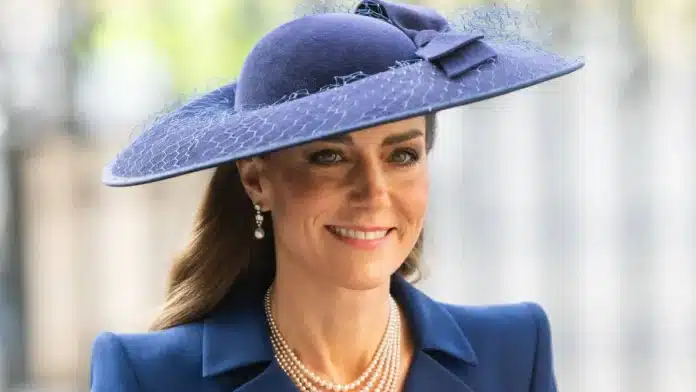
Princess Kate, along with other senior female members of the British royal family, navigates a world of unspoken fashion rules and protocols during public engagements. While many of these guidelines are widely recognized, such as maintaining modest hemlines, opting for light-colored nail polish, and choosing demure necklines, one particular aspect of royal attire often sparks curiosity: headwear. Understanding the nuances of when and how royal women wear hats or other head coverings offers a fascinating glimpse into the traditions and expectations surrounding their public roles.
The Evolution of Royal Headwear
Historically, hats have been an integral part of formal attire for women across society, and the British royal family is no exception. For decades, hats were a near-constant accessory for royal women at daytime events, signifying formality and respectability. However, in recent years, there has been a noticeable evolution in royal fashion, with a greater emphasis on contemporary style while still respecting tradition. This shift allows for more flexibility, but certain occasions and contexts still necessitate specific sartorial choices, including headwear.
Etiquette Expert Weighs In on Royal Headwear Rules
Grant Harrold, a former royal butler who served Prince Charles for six years, has shed light on the specific etiquette surrounding headwear for royal ladies. According to Harrold, while there isn’t a single, universally enforced rule that dictates every instance of hat-wearing, there are strong conventions and expectations that guide these choices. The primary consideration often revolves around the formality of the occasion and the time of day.
Daytime vs. Evening Events
A key distinction in royal fashion etiquette lies between daytime and evening events. For daytime functions, such as garden parties, royal weddings, or sporting events like Royal Ascot, hats are generally considered appropriate and often expected. They add a layer of polish and tradition to the ensemble. Conversely, for evening events, particularly those that are more formal and held indoors, hats are typically removed. This convention helps to transition the formality of the attire from day to night, with evening events often calling for more elaborate jewelry or hairstyles instead of headwear.
The ‘No Hat After 6 PM’ Convention
A widely cited, though not always rigidly enforced, rule of thumb in traditional etiquette is the ‘no hat after 6 PM’ guideline. This principle suggests that once the clock strikes six, hats are generally considered out of place for formal occasions. Instead, women might opt for a fascinator or a decorative hair accessory. This rule helps to delineate the shift from daytime formality to evening elegance. While modern interpretations may allow for some exceptions, especially with less formal headpieces, it remains a foundational principle for understanding traditional royal sartorial choices.
Princess Kate’s Approach to Headwear
Princess Catherine, known for her impeccable style and adherence to royal protocol, consistently demonstrates a nuanced understanding of these headwear conventions. She is frequently seen wearing elegant hats and sophisticated fascinators at daytime events, perfectly complementing her outfits and the solemnity or celebratory nature of the occasion. Her choices are often lauded for their blend of classic style and modern sensibility.
- Royal Weddings: Hats are almost always a staple for royal women attending daytime weddings, adding to the celebratory and formal atmosphere.
- Ascot Racecourse: This event is particularly known for its elaborate hat traditions, and royal attendees like Princess Kate and Zara Tindall often showcase stunning millinery.
- Garden Parties: These traditional events also lend themselves to hat-wearing, reinforcing the sense of occasion.
- Remembrance Day Services: While not always a hat, a form of head covering or a specific accessory is often worn to signify respect and solemnity.
When attending evening events, Princess Kate typically foregoes hats, opting instead for elegant hairstyles or delicate hair accessories that enhance her evening attire. This consistent adherence to the daytime/evening distinction showcases her understanding and respect for established royal etiquette.
Beyond Hats: Other Royal Fashion Protocols
The rules governing royal fashion extend far beyond headwear. Several other well-established protocols guide the sartorial choices of royal women:
- Hemlines: Skirts and dresses are generally expected to fall at or below the knee, maintaining a level of modesty appropriate for public figures.
- Nail Polish: While not as strict as in previous eras, a preference for neutral, light-colored, or sheer nail polish is often observed. Bold or dark colors are rarely seen on senior royals during official duties. Queen Elizabeth II was famously known for favoring a specific shade of pale pink.
- Necklines: Demure necklines, such as crew necks, boat necks, or modest V-necks, are preferred over plunging or overly revealing styles.
- Coats and Dresses: For formal occasions, especially those involving travel or significant public interaction, coats and dresses are often favored over separates.
- No Fur: While not an absolute rule, there has been a noticeable shift towards avoiding real fur in recent years, with many royals opting for faux fur alternatives.
- Gloves: Gloves are often worn with formal outfits, particularly for daytime engagements, adding a touch of classic elegance.
The Significance of Royal Fashion Rules
These fashion protocols are not merely arbitrary dictates; they serve several important functions. Firstly, they help to maintain a sense of tradition and continuity, connecting the current monarchy to its historical roots. Secondly, they project an image of dignity, professionalism, and decorum that is expected of public figures representing the nation. By adhering to these guidelines, royal women present a unified and recognizable image, reinforcing the institution’s stability and enduring presence.
Furthermore, the consistency in dress code can help to avoid distractions. In an era where public scrutiny is intense, adhering to established norms ensures that the focus remains on the royal’s duties and the causes they support, rather than on potentially controversial or attention-grabbing fashion choices. Princess Kate, in particular, has mastered the art of dressing in a way that is both stylish and appropriate, consistently upholding the standards expected of her role.
Conclusion: A Blend of Tradition and Modernity
The strict public rule Princess Kate never breaks, in the context of headwear, is not a singular, rigid law but rather a deep understanding and consistent application of established etiquette. This involves wearing hats and fascinators for appropriate daytime events, signifying formality and tradition, and generally refraining from them for evening functions. This approach, mirrored by other royal women, reflects a careful balance between honoring historical customs and embracing contemporary style. It ensures that their public appearances are always dignified, respectful, and in keeping with the expectations placed upon members of the British royal family.