
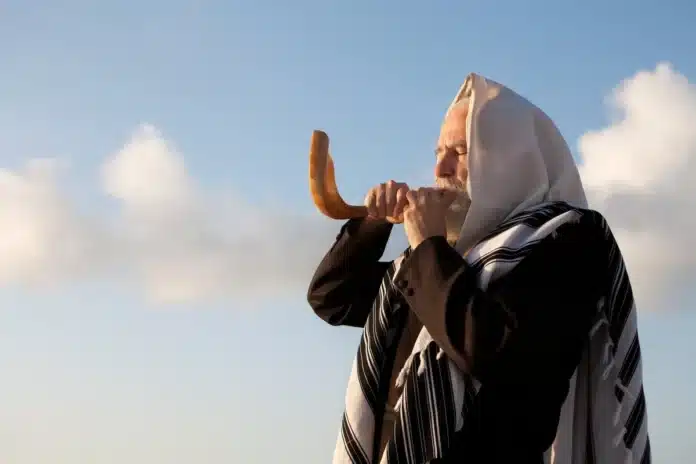
Yom Kippur, recognized as the holiest day within the Jewish faith, occurs shortly after the Jewish New Year. This solemn observance is characterized by a day-long fast, during which individuals engage in introspection about the past year, seeking repentance for any wrongdoings and expressing hopes for a healthy and prosperous future.
When is Yom Kippur Observed?
In the Gregorian calendar, Yom Kippur commences on the evening of September 20th and concludes after nightfall on September 21st. The fast, lasting approximately 25 hours, begins just before sunset on the first day and ends the following evening. According to the lunisolar Jewish calendar, Yom Kippur falls on the 9th and 10th days of the month of Tishrei. Tishrei holds significance as the first month of the civil year and the seventh month of the ecclesiastical year. This period marks the culmination of the “10 Days of Repentance,” a span that begins with Rosh Hashanah, the Jewish New Year.
The Significance of Yom Kippur
The name “Yom Kippur” translates from Hebrew to “Day of Atonement,” highlighting its central theme of seeking forgiveness and reconciliation. The observance is deeply rooted in the belief that during Rosh Hashanah, God inscribes the fate of all individuals in special books. The righteous are recorded in the Book of Life, while the wicked are noted in the Book of Death. It is believed that these judgments are not final until Yom Kippur, providing a critical window for individuals to influence their destiny through repentance and good deeds.
“Fasting on Yom Kippur provides the key to our inner awakening,” notes My Jewish Learning, an educational resource for Judaism. This period is seen as an opportunity for profound personal reflection and spiritual renewal. Rabbis often explain that most people fall somewhere between being entirely righteous or entirely wicked, suggesting that the days leading up to Yom Kippur offer a chance to “tip the scales” through sincere repentance and acts of kindness.
Observances and Traditions
The commemoration of Yom Kippur involves several key practices and rituals:
- Synagogue Services: The majority of the day is spent in synagogue, participating in prayer services. The observance formally begins with the Kol Nidre service at sundown on the eve of the festival. Chabad, an Orthodox Jewish organization, describes Kol Nidre not as a prayer, but as a declaration concerning vows and commitments made throughout the year.
- Additional Prayers: While a typical synagogue day includes three prayer services, Yom Kippur features two additional services. These services incorporate special readings from the Torah and the chanting of “Vidui,” a confession.
- Yizkor Prayer: A special memorial prayer, known as “Yizkor,” is recited in memory of departed loved ones, offering a time for remembrance and reflection on their lives.
- Wearing White: It is customary for worshippers to wear white clothing on Yom Kippur, symbolizing purity and atonement.
- Abstinence: Devout individuals may observe additional restrictions, refraining from activities such as using electricity, driving, washing, or wearing leather products. These practices are intended to further focus the mind on spiritual matters and detach from worldly comforts.
- The Shofar: The conclusion of the fast is traditionally marked by the blowing of the shofar, an ancient musical instrument typically crafted from a ram’s horn. The sound of the shofar serves as a powerful spiritual call, signaling the end of the solemn day and the commencement of a new period. The shofar is also a significant instrument during Rosh Hashanah and other observances throughout the preceding month of Elul.
The fast itself, commencing and concluding with a communal or family meal, is a central element of the observance. It is viewed as a means to humble oneself, focus on spiritual introspection, and seek divine forgiveness. The collective experience of fasting and prayer strengthens community bonds and reinforces the shared commitment to spiritual growth and ethical living.
A Day of Spiritual Renewal
Yom Kippur stands as a cornerstone of the Jewish year, offering a profound opportunity for self-examination, repentance, and spiritual renewal. Through fasting, prayer, and reflection, individuals are encouraged to mend their relationships with God and with one another, setting a course for a more meaningful and ethically guided year ahead. The day’s solemnity is balanced by the hope for a favorable judgment and the promise of a fresh start.