
With winter approaching and one-third of the 2026 AFL season complete, distinct patterns emerge across the league. Scoring rises league-wide as teams compete for spots in the expanded finals series. Clubs typically assess trends after six to eight weeks, when cooler conditions highlight seasonal shifts from the early drier, high-octane play.
Possession and Position Battles
Securing the ball in the air proves challenging, but retaining possession proves even harder. Strong teams excel in one area, while elite squads master both. The past five premiers ranked top two in ball-control differential, with four in the top three for forward-half time differential.
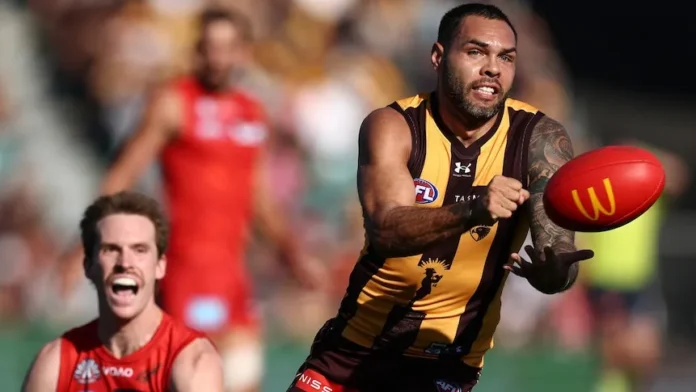
Hawthorn leads early, topping both metrics and positioning as a flag contender. Sydney and Gold Coast dominate forward-half time but lag in possession control. Reigning premiers Brisbane dictate tempo through possession mastery.
This divide reflects evolving philosophies: control-oriented teams favor foot passes to maintain possession and limit opponents, while surge teams rely on handballs to create running lanes. Handball metres gained rise sharply from 255 per game last year to 324 this season, driven by Sydney’s aggression, the Suns, Giants, and Pies under premiership-influenced coaching, and Melbourne’s rapid overhaul under Steven King.
Teams counter with more marks, especially uncontested and on leads. North Melbourne accelerates this shift, emulating past powerhouses. Greater Western Sydney coach Adam Kingsley noted after a win over the Roos: “When they win they take 107 uncontested marks. When they’ve lost they’ve taken 67. Taking the easy ball out of their hands is a key focus. I feel like they’re playing a lot like the 2014 Hawks, like the Brisbane team right now.”
Squads increasingly embrace stylistic extremes, making balanced approaches vulnerable to specialized attacks.
Launch Zones and Scoring Sources
Intercept transitions drive 60 percent of scores, with teams generating 55 percent from the defensive half—consistent with last year. Turnovers near goal yield higher conversion, but defensive-half wins prompt higher presses.
The Suns and Lions convert forward-half dominance into points, while Collingwood thrives on chaotic close-range turnovers. GWS, Fremantle, and Sydney excel in back-half attacks. Ladder leaders Sydney and Fremantle rely on defensive-half scoring, though conventional wisdom suggests it fades late-season. Both possess versatile tools: Sydney ranks top four in stoppage and forward turnover potency, while Fremantle tops opposition scoring restrictions from those sources.
Center-bounce scores increase by 2.7 points per game, but their share of total points rises only one percent. Observers await sustained trends into late season or 2027.
Defensive Strategies and Trade-offs
Defense remains crucial amid larger squads and expansive fields, forcing prioritization with limited resources. Zones and presses contrast with man-on-man setups; some add spares at contests, others numbers behind the ball.
Extra players generate turnovers but expose overlaps. Clubs tailor KPIs beyond scores. Sydney and Fremantle concede the most forward-50 ground balls yet fewest marks, bucking the league’s inside-50 mark surge. Frequent spoiling creates ground contests they convert via transitions.
Port Adelaide, adapting to new coach Josh Carr, resists ball movement, allowing inside-50 entries on under 17 percent of defensive-50 possessions—half the league average.
Scoring accuracy introduces variance; West Coast and Hawthorn defenses face above-average opponent conversion. Hawthorn’s draw with Collingwood hinged on the Pies outperforming by five goals. Melbourne’s strong 2026 start contrasts last year’s close losses to hot-shooting foes.
Tight Finals Race Unfolds
Thirteen teams sit within one win of finals spots, with a 14th two points back—mirroring last season at this stage. The expanded top 10 has yet to widen contention, though 10-12 teams typically vie for the final berth.
Competition evens out, with four bottom teams detached but 14 others in finals hunt. Sydney and Fremantle lead, yet May victories rarely secure flags. Ample rounds remain to shape the 2026 premiership.