Premier League Clubs’ European Earnings Revealed
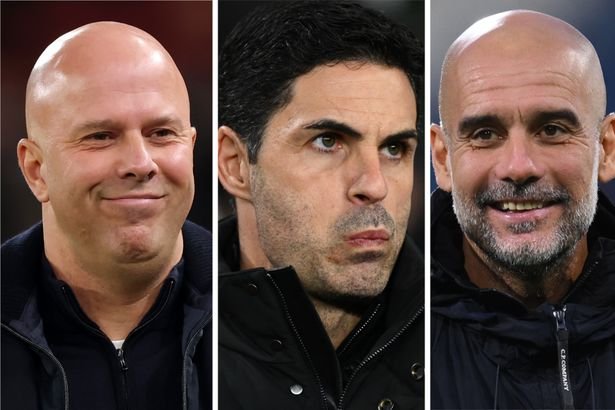
Arsenal’s flawless Champions League group stage performance hasn’t translated to financial supremacy among English clubs, with recent financial data revealing Manchester City and Liverpool have both generated higher tournament revenues this season. Despite securing eight consecutive victories – a rare perfect record in the competition’s new league phase – the Gunners have earned £83.1 million to date, narrowly trailing their Premier League rivals’ £84 million hauls.
Performance vs Historical Success in UEFA Payouts
The revenue discrepancy stems from UEFA’s multifaceted distribution model which rewards both current performance and historical success. While Arsenal dominated the performance-based allocations by topping their group, earning £35.1 million from match results and standings, their coefficient ranking – calculated from European performances over the past decade – proved less favorable.
Financial analysis shows the “value pillar” calculation, accounting for 35% of total distributions, weighed heavily in favor of clubs with stronger recent European pedigrees. Manchester City led English clubs in this category with £39 million, followed by Liverpool (£37.2 million), while Arsenal received £32 million.
English Clubs’ Comparative Earnings
Other Premier League participants show varied financial returns from this season’s Champions League:
– Chelsea: £79.6 million
– Tottenham: £72.7 million
– Newcastle: £46.7 million
Newcastle’s lower coefficient ranking and upcoming knockout round playoff contribute to their reduced earnings. Across Europe, Bayern Munich currently leads all clubs with £86.6 million in total revenue from the competition.
Remaining Prize Money at Stake
With the knockout stages approaching, significant earnings remain available. The eventual Champions League winner could claim up to £49.8 million in additional prize money if they also triumph in August’s Super Cup. Progressive payouts will reward teams advancing through quarter-finals, semi-finals, and the final.
UEFA officials confirm the current distribution model allocates 37.5% of funds based on performance results, 35% through the coefficient-based value pillar, and the remainder through participation fees and market pool shares.