
Government Proposes Enhanced Social Media Age Restrictions
New legislation is being introduced to reinforce Australia’s existing social media age restrictions for individuals under 16. The proposed laws aim to significantly increase penalties for technology companies that fail to comply, doubling the maximum fines for breaches. Furthermore, the eSafety Commissioner’s authority will be expanded to ensure greater adherence to these regulations by tech giants.
Push for Compliance Before Parliamentary Break
Reports indicate that the government intends to pass these enhanced penalties and powers into law before the parliament adjourns for its winter recess. This move seeks to bolster the nation’s already established social media ban for young people.
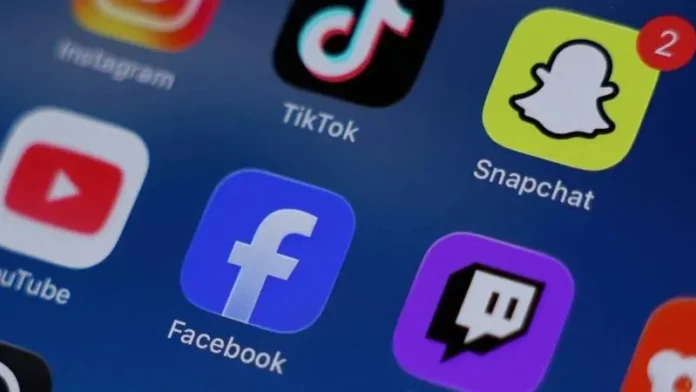
Since December, major social media platforms such as TikTok, Facebook, YouTube, and Snapchat have been legally obligated to implement measures preventing minors under 16 from creating or maintaining accounts. However, Prime Minister Anthony Albanese has expressed concerns that large technology companies are not adequately meeting these legal requirements.
“There are still too many children on social media,” Mr. Albanese stated over the weekend. He believes that big tech companies are not “doing enough to comply with the law.”
Doubled Fines and Expanded Commissioner Powers
Under the proposed legislative changes, the maximum financial penalties for companies found to be allowing under-16s access to their platforms will increase from approximately $49.5 million to $99 million.
The eSafety Commissioner, Julie Inman Grant, will be granted enhanced powers. These will enable her to compel companies to provide concrete evidence of their efforts to prevent young people from joining their platforms. Additionally, third-party entities, including those offering age verification technology, will be required to share information with Ms. Inman Grant.
“These changes reflect the seriousness with which we take any failure by social media companies to comply with our world-leading law,” Mr. Albanese remarked.
Ms. Inman Grant has previously voiced her challenges with the current legislation, noting that it does not equip her with “potent powers.” In a recent interview, she stated, “What I would say is a regulator is only as good as the tools and the resources that they’re given.”
Government Statistics and Platform Investigations
Government figures show that over five million accounts belonging to individuals under 16 have been removed, deactivated, or restricted since the ban’s inception. Currently, five platforms are under investigation by eSafety for potential non-compliance.
Communications Minister Anika Wells commented that the ten social media platforms currently subject to the ban are employing “tricks straight out of the big tech playbook” to fulfill only the minimum requirements.
“Social media platforms are some of the richest and most powerful companies in the world, and we’re serious about holding them to account,” Ms. Wells asserted. “These tough new penalties and powers show we will not back down. Instead, we are doubling down on our efforts to hold big tech to account.”
The government is reportedly aiming to enact these measures before parliament rises on July 2. Mr. Albanese has previously identified “further strengthening the social media ban” as a parliamentary priority.
Study Highlights Limited Early Impact of Age Restrictions
A recent study from the University of Newcastle, published in the British Medical Journal, suggests that Australia’s social media age restrictions have had a limited impact in their initial phase. The research followed 408 adolescents aged 12–17 both before and three months after the ban was implemented.
The study found that over 85 percent of the under-16 cohort continued to use restricted social media platforms, and approximately two-thirds encountered age verification processes. “The most common form of age verification was self-declared age. There was also clear evidence of circumvention, for example, using fake accounts or accounts belonging to friends or family,” explained lead investigator Courtney Barnes.
While the study acknowledged the growing international interest in similar reforms following Australia’s initiative, Dr. Barnes noted that “the evidence base remains uncertain, and debate continues about the potential benefits, unintended consequences, and practical feasibility of enforcement of such strategies.”
This development follows similar moves by other nations, with the United Kingdom recently unveiling plans for its own social media ban for under-16s, and several other countries actively pursuing or implementing age restrictions for children on social media platforms.