
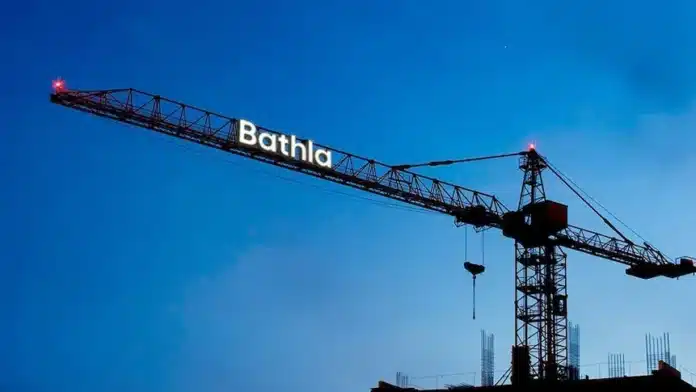
The recent $3.4 billion collapse of property developer Bathla Group has cast a harsh spotlight on significant issues within Australia’s housing industry, particularly concerning construction quality, regulatory oversight, and the financing of large-scale projects. The company’s failure, which occurred shortly after the NSW Building Commission conducted numerous site inspections due to quality concerns, has stalled a pipeline of 14,000 apartments, impacting the state’s housing supply targets.
Regulatory Scrutiny and Quality Concerns
In the lead-up to its administration, Bathla Group faced heightened scrutiny from the NSW Building Commission. Over 40 inspections were reportedly conducted across its development sites, driven by apprehensions regarding building standards. This situation stands in contrast to the opulent lifestyle reportedly enjoyed by the family behind the Bathla Group, with media reports detailing a lavish mansion featuring extensive amenities.
The collapse is particularly damaging to efforts aimed at increasing national housing supply and affordability. Bathla Group was a significant contributor to the affordable housing sector, and its stalled projects represent a substantial portion of new housing stock planned for NSW this year. This setback exacerbates an already existing shortfall in meeting state housing targets.
The Role of the National Construction Code (NCC)
Questions have been raised about the effectiveness of the National Construction Code (NCC), a comprehensive document governing building standards. Despite its extensive length, the NCC has been criticized for not adequately addressing quality issues that have led to complaints from Bathla buyers, such as missing fixtures and substandard finishes. This suggests a gap between the code’s provisions and practical on-site execution and enforcement.
Systemic Issues in Approvals and Inspections
A key factor contributing to the crisis appears to be the reliance on a system of private inspections and approvals. This model allows developers to engage private certifiers, creating potential conflicts of interest. Allegations have surfaced, including those from the Environmental Protection Authority, suggesting that private certifiers may have falsified approval documents on Bathla development sites. This raises concerns about the integrity of the approval process, where private certifiers, contracted by developers or local councils, conduct mandatory construction checks.
The NSW Building Commission operates as an auditor and disciplinary body, conducting random inspections of both builders and certifiers. However, the effectiveness of this hybrid system is being questioned in light of the Bathla Group’s failure and the reported quality deficiencies.
Financial Pressures and Insurance Mandates
Bhart Bhushan, Bathla’s managing director, attributed the company’s downfall partly to federal budget changes affecting investor demand. However, a more immediate and significant factor is believed to be the introduction of mandatory Decennial (10-year) Liability Insurance (DLI) in NSW on August 14, just 11 days before Bathla entered voluntary administration. DLI is costly and difficult to obtain, especially for developers with a history of quality issues. Qualifying for DLI typically requires rigorous risk assessments and independent ratings, such as those provided by the Independent Construction Industry Rating Tool (iCIRT). Bathla Group was not listed on the iCIRT registry, making insurance prohibitively expensive or unattainable.
Without access to DLI, Bathla was compelled to use the statutory alternative: a 2% bond held for 10 years. The rigorous, multi-stage construction audits required by DLI insurers meant that lenders were concerned about the Building Commission NSW potentially refusing final completion approvals. Such a refusal would prevent the sale of apartments, leaving lenders with stranded assets and potential defaults.
The Role of Private Credit Firms
The substantial debt of Bathla Group, approximately $3.4 billion, is owed primarily to private credit firms rather than traditional banks. These firms, acting as asset managers, raise funds from investors and lend to businesses unable to secure conventional bank financing. Bathla operated through numerous special purpose vehicles (SPVs) for its projects, meaning the private credit firms had exposure to these individual entities rather than the parent company directly. This complex structure has left lenders facing a challenging situation, with some attempting to complete projects and others left with undeveloped land and plans, unwilling to fund the developer’s head office operations and its 165 staff.
Broader Industry Implications and National Disparities
The situation highlights why traditional banks are less involved in direct property development lending. Post-Global Financial Crisis (GFC) regulations imposed by the Australian Prudential Regulation Authority (APRA) favor real estate security over the future cash flows of businesses, making it harder for developers to secure financing. This regulatory environment has also hindered the growth of prefabricated housing in Australia, despite its potential cost efficiencies.
Furthermore, NSW’s regulatory approach appears to be an outlier compared to other Australian states. While NSW has established a new, well-funded government agency to address issues arising from past building failures like the Opal and Mascot Towers incidents, states like Victoria, Queensland, Western Australia, and South Australia continue to rely on private certifiers for residential construction sign-offs. Banning private certifiers and reverting to local council inspections is seen as unfeasible, as most councils lack the capacity to handle the volume of work.
The reliance on a common National Construction Code across states suggests that a more unified approach to its enforcement could be beneficial. The Bathla Group collapse serves as a stark example of the risks inherent in a system characterized by private construction, private credit, and private quality inspections, underscoring the need for robust oversight and accountability within the housing industry.
This article was compiled from information regarding the Bathla Group’s financial collapse and its implications for the Australian housing sector.