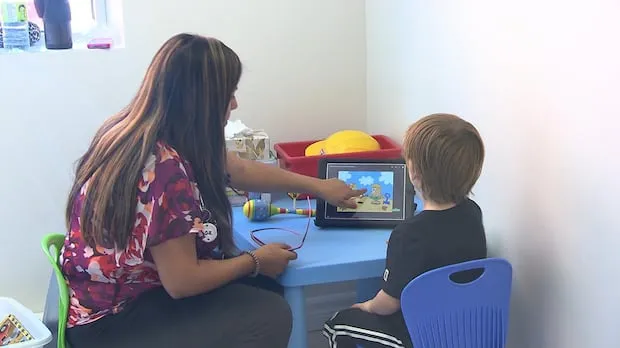
British Columbia introduces a redesigned funding system for children and youth with disabilities, including autism, aiming to deliver fairer, more accessible, and better-coordinated services.
New Funding Allocation
Jodie Wickens, Minister for Children and Family Development, announces $475 million in fresh funding over three years. Additionally, $298 million from existing autism programs redirects to enhance support. These initiatives provide direct financial aid and community-based services to thousands more children across the province.
Wickens highlights the response to family feedback following a 2021 revision pause due to criticism. “It was clear that we missed the mark, and we needed to pause and engage to get it right,” she states. “That’s why we listened and we changed course.”
Key Program Changes
The updated model features a complex-needs disability benefit determined by functional impact rather than diagnosis alone. This benefit ranges from $6,500 to $17,000 annually and targets up to 15,000 children facing prolonged disabilities, complex developmental needs, or significant daily challenges.
A separate income-tested disability supplement offers up to $6,000 per year per child, paid monthly, for an estimated 33,000 children in lower- and middle-income households. Eligibility phases out at around $200,000 after-tax income for a one-child family.
Overall, the system expands to cover approximately 48,000 children, up from 30,000 previously.
Impacts and Transitions
While no child loses access to supports, up to 5,000 may experience reduced direct funding. These children gain priority for community-based services, backed by $80 million in expanded resources. “For some children who have low needs—those needs could look like slight social skills deficits, needs for neurodivergent clinical counselling support—they will be directed into our community-based services,” Wickens explains.
Community services, including behavioral and mental health supports, will grow by 40 percent over three years. The rollout adopts a phased approach: some families transition to the new disability benefit on April 1, with autism funding continuing until next year. Supplement payments begin in July 2027.
Stakeholder Reactions
The province addresses gaps for families of children with Down syndrome, fetal alcohol spectrum disorder, intellectual disabilities, and others now eligible for direct support. Jennifer Charlesworth, B.C.’s Representative for Children and Youth, expresses optimism. Thousands of families report system navigation as their greatest burden, not their children’s needs.
“I’m optimistic that with this investment and the streamlining of service access for so many more children and youth, the precious energy and time spent by families can be redirected to where it should be—loving, nurturing and enjoying their young ones,” Charlesworth says.