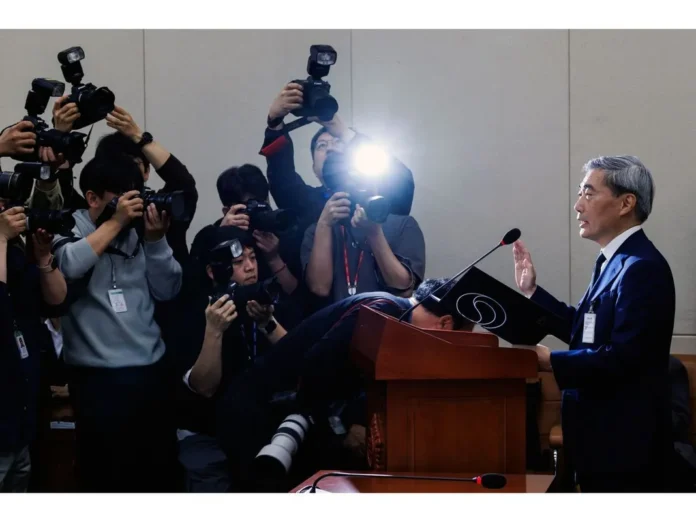
South Korea’s Bank of Korea governor nominee Shin Hyun Song cautions that rising oil prices and a depreciating won threaten to accelerate inflation while curbing economic expansion, presenting major hurdles early in his potential tenure.
Elevated External Risks
During his parliamentary confirmation hearing on Wednesday, Shin emphasized persistent global uncertainties. Key factors include ongoing Middle East geopolitical tensions, elevated global oil prices compared to pre-war levels, evolving trade dynamics, and varying monetary and fiscal policies among major economies.
“Geopolitical tensions in the Middle East remain elevated, and global oil prices are still significantly higher than before the war, while risks also persist from the global trade environment and major economies’ monetary and fiscal policies,” Shin told lawmakers. “As a result, upward pressure on inflation and downward pressure on growth in the domestic economy are increasing.”
Building Price Pressures and Growth Shortfall
Shin anticipates inflation, which stayed moderate in March, will intensify as higher energy costs and currency depreciation ripple through the economy. Meanwhile, growth projections face downward revisions, though robust semiconductor demand and a supplementary budget offer some buffer.
Bank of Korea data indicates import prices surged 16.1% in March from the prior month—the largest monthly increase in nearly three decades—driven by skyrocketing oil costs.
Shin minimizes stagflation risks, noting that while inflation accelerates and growth moderates, the chances of prolonged recession alongside persistent high prices stay low.
Currency Volatility Warning
He urges vigilance against sharp won fluctuations, deeming abrupt or erratic movements counterproductive.
“Amid heightened uncertainty in economic conditions, I will conduct monetary policy in a way that fulfills the Bank of Korea’s core mandate of maintaining price and financial stability, while supporting the economy’s stable growth,” Shin stated.
Evolving Views on Digital Assets
Addressing stablecoins, Shin reveals a shift from prior skepticism toward cryptocurrencies. He views stablecoins and central bank digital currency-based deposit tokens as potentially complementary or competitive in the monetary system, based on their applications.
For won-denominated stablecoins, issuance should currently rely on the banking sector due to banks’ superior customer verification capabilities, though this does not mandate banks leading the effort.
Rejecting the “practical hawk” label from markets, Shin advocates flexible monetary policy to juggle price stability, financial risks, and economic support. He commits to fiscal coordination while safeguarding central bank independence.