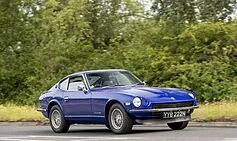
Owners of classic cars are facing a disproportionate impact from rising petrol and diesel prices, with experts warning that the cost of keeping historic vehicles on the road is climbing faster than for average motorists. The unique fuel requirements and lower efficiency of vintage automobiles mean owners are particularly vulnerable to fluctuations at the pump.
The Unique Challenges for Classic Car Fueling
Specialist insurance providers, such as Footman James, have highlighted that classic cars often demand specific, higher-octane fuels. Many enthusiasts prefer to use premium fuels or even ethanol-free petrol to maintain the optimal condition and performance of their vehicles. While these choices are beneficial for the longevity and health of the classic car’s engine, they come at a significantly higher price point compared to standard unleaded fuel.
This preference for specialized fuels means that when general fuel prices rise, the cost increase for classic car owners can be more pronounced. While a typical driver might absorb a modest increase in their weekly fuel bill, the impact on a classic car owner, who is already paying more per litre for their preferred fuel, can be substantially greater.
Efficiency Gaps Exacerbate the Problem
Beyond fuel type, the inherent design of older vehicles contributes to their increased susceptibility to rising fuel costs. Classic cars are generally less fuel-efficient than modern vehicles, which often feature advanced fuel injection systems and lighter construction. This lower efficiency means that classic cars consume more fuel over the same distance, leading to more frequent trips to the petrol station and a quicker accumulation of higher fuel expenses.
Consequently, the combination of needing more expensive fuel and using it at a higher rate leaves classic car owners more exposed to the ongoing increases in petrol and diesel prices that have been observed across the UK in recent weeks.
The Psychological and Practical Impact of Rising Costs
The experts at Footman James noted the emotional toll these price hikes can take. “Let’s address the elephant in the garage. Petrol prices are up. Again,” they stated, capturing the sentiment of many owners. The significant jump in prices can lead to a moment of reflection, as owners weigh the cost against the enjoyment of driving their cherished vehicles.
Furthermore, the nature of classic car ownership often involves less frequent, more deliberate use. Unlike modern cars that might serve as daily commuters, classic cars are typically reserved for weekend outings, special events, or scenic drives. This means that when a drive does occur, it often covers a greater distance or is planned as a more substantial excursion, further amplifying the impact of higher fuel prices on the overall cost of enjoyment.
Current Fuel Prices and Future Concerns
Data from RAC Fuel Watch indicates a significant price disparity. As of recent reporting, super unleaded petrol, often the choice for many classic cars, averaged around 185.73 pence per litre. This is nearly 20 pence more expensive than standard unleaded, which was priced at approximately 167.22 pence per litre. The RAC has also cautioned that the prices for super unleaded are expected to continue their upward trend.
Adding to these concerns is the potential for further increases due to government fiscal policy. Fuel duty, a tax levied on petrol and diesel, is scheduled to see a legal default increase from January. While the government has the option to review this, any decision on fuel duty rates could be a significant factor in upcoming budgets, potentially placing additional financial pressure on all vehicle owners, but especially those with less efficient, higher-consumption classic cars.
Navigating the Rising Cost of Classic Motoring
For classic car enthusiasts, the current climate presents a challenge. Balancing the passion for automotive heritage with the economic realities of rising fuel costs requires careful consideration. Some owners may opt for more economical driving techniques, plan shorter trips, or even consider alternative fuels if compatible with their vehicle.
The situation underscores the evolving landscape of classic car ownership. While the joy of driving these iconic vehicles remains, owners must now contend with economic factors that can significantly influence the accessibility and affordability of their hobby. The unique demands of classic cars, coupled with broader market trends and potential policy changes, mean that the cost of keeping these automotive treasures on the road is likely to remain a pertinent concern for the foreseeable future.