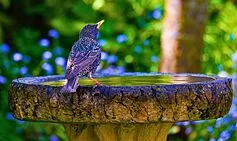
Maintaining a clean birdbath is crucial for the health and well-being of garden birds, especially during warmer months. While providing a vital water source for drinking and cooling, birdbaths can quickly become unsightly and unhygienic due to algae growth, bird droppings, pollen, and plant debris. Fortunately, a simple, natural solution exists to make this task significantly easier: white vinegar. Home gardener Mariah, known online as the Country Plant Lady, advocates for using vinegar as a gentle yet effective cleaning agent for birdbaths, eliminating the need for harsh chemicals.
The Importance of Clean Birdbaths for Birds
Birdbaths serve a critical role in supporting avian populations, particularly during periods of heat and drought when natural water sources may be scarce. August, often a time when young birds are fledging and leaving their nests, presents a particularly vulnerable period. Providing readily accessible, clean water significantly enhances their chances of survival. A well-maintained birdbath not only offers hydration but also a place for birds to bathe, which is essential for feather health and thermoregulation. Conversely, a dirty birdbath can become a breeding ground for bacteria and pathogens, posing a health risk to the birds that rely on it. Algae, often appearing as a green slime, thrives in warm, stagnant water and can harbor harmful microorganisms.
Why White Vinegar is an Ideal Cleaning Solution
White vinegar emerges as a superior choice for birdbath maintenance due to its inherent properties. It is a natural, non-toxic substance that effectively breaks down algae and other organic buildup without resorting to abrasive chemicals that could harm birds or the environment. Its acidic nature helps to dissolve grime, mineral deposits, and the slippery film of algae that commonly plagues birdbaths. This makes the cleaning process less labor-intensive, as the vinegar loosens stubborn residues, reducing the need for vigorous scrubbing.
The accessibility and affordability of white vinegar further enhance its appeal. Typically found in the condiment aisle of most supermarkets for a modest price, it’s a cleaning agent many households already possess. Its mild antibacterial qualities contribute to a healthier environment for birds, helping to prevent the spread of diseases and encouraging them to return for regular visits. Clean water is fundamental for bird health, ensuring they remain hydrated and can perform essential grooming behaviors.
A Simple Method for Cleaning Your Birdbath with Vinegar
The process of cleaning a birdbath using white vinegar is straightforward and can be completed in under 30 minutes. Regular attention, such as changing the water every few days, is recommended to ensure birds always have access to fresh water, though a full cleaning is not required this frequently.
Step-by-Step Cleaning Guide:
- Empty the Birdbath: Begin by tipping out the old water. Dispose of it on garden soil or a drain, avoiding direct contact with plants if it’s heavily soiled.
- Prepare the Solution: Mix a solution of white vinegar and warm water. A common ratio is one part vinegar to ten parts water, but this can be adjusted based on the level of grime. For tougher buildup, a stronger concentration or even undiluted vinegar can be used sparingly.
- Apply and Soak: Pour the vinegar solution into the birdbath, ensuring it covers the basin and any internal features like rocks or decorative elements. Allow the solution to sit for approximately 20 minutes. This soaking period is crucial for the vinegar to effectively break down algae, mineral deposits, and other accumulated debris.
- Scrub Gently: After the soaking period, use a soft-bristled brush or a non-abrasive sponge to gently scrub the interior surfaces of the birdbath. The loosened grime should come away easily. Avoid using steel wool or harsh scouring pads, which can scratch the surface.
- Rinse Thoroughly: Once scrubbed, rinse the birdbath meticulously with clean water. It is essential to remove all traces of the vinegar solution to ensure the water is safe for birds. Repeat the rinsing process multiple times if necessary.
- Refill and Dry: After rinsing, refill the birdbath with fresh, clean water. Allow the birdbath to air dry completely before placing it back in its garden location. This prevents residual moisture from encouraging immediate regrowth of algae or bacteria.
Benefits of a Clean Birdbath
A consistently clean birdbath offers numerous advantages. It provides a safe haven for birds, free from harmful contaminants, promoting their health and reducing the risk of disease transmission within local bird populations. Birds are more likely to frequent a clean and inviting water source, offering gardeners a rewarding opportunity to observe wildlife. The ease of maintenance with vinegar means that this beneficial practice can be sustained without becoming a chore, ensuring that your garden remains a welcoming oasis for feathered visitors throughout the summer and beyond.
By incorporating white vinegar into your routine birdbath cleaning, you can effortlessly maintain a hygienic and attractive water feature that significantly contributes to the survival and flourishing of birds in your garden. This simple, natural approach ensures that your efforts to support wildlife are both effective and environmentally sound.