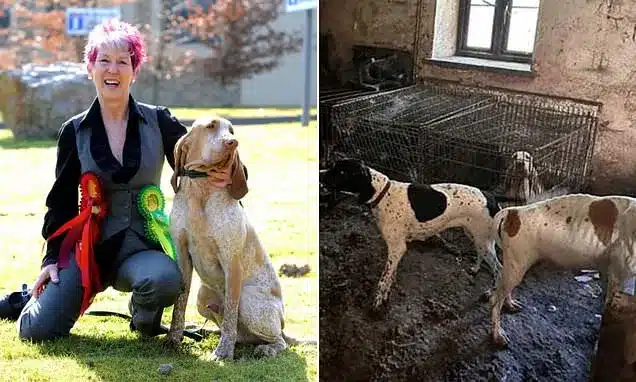
A former Crufts winner has been disqualified from owning dogs for 10 years following the discovery of 77 animals in a state of severe neglect. The dogs were found starving and suffering from serious health issues, with five requiring euthanasia due to their critical condition. The individual, Lynda Cooper, admitted to 11 animal welfare offenses, including causing unnecessary suffering and failing to meet the basic needs of the animals, as well as breeding dogs without a license.
Discovery of Neglect and Animal Suffering
The distressing situation came to light in July 2024 when Torfaen County Borough Council received a complaint regarding the welfare of dogs at a property in Lower Race, Pontypool. The RSPCA was also alerted to concerns about illegal breeding activities. Initial attempts by RSPCA officers to visit the property were unsuccessful, as entry was denied.
A month later, council authorities, accompanied by a veterinarian, gained access to the premises under a warrant. Inside, they discovered over 40 adult dogs and two litters of puppies living in squalid conditions. Upsetting footage captured the extent of the animals’ suffering, revealing a scene of severe neglect.
The rescued animals were found to be suffering from malnutrition. Many exhibited severe dental disease and chronic ear infections. The physical condition of some dogs was so dire that they had to be euthaned immediately. Tragically, two more dogs died several months later, according to records from UK Animal Cruelty Files. Older dogs had lost significant mobility and muscle mass, struggling to access food. Younger dogs displayed extreme nervousness and a lack of socialization, necessitating extensive rehabilitation efforts.
Rescue and Rehoming Efforts
Hope Rescue, a South Wales-based animal welfare charity, took in the remaining dogs once they were removed from the property. The charity has been instrumental in their recovery and subsequent rehoming. Sara Rosser, Head of Operations at Hope Rescue, described the case as one of the most distressing and challenging they have encountered, citing both the sheer number of animals and their appalling condition.
“On arrival with us the dogs were in a devastating state – severely underweight, many suffering from advanced dental disease and chronic ear infections,” Rosser stated. “Older dogs had lost muscle mass and mobility, and were so physically depleted they were unable to reach food before the younger dogs. Many, especially the younger dogs, were very nervous and lacking in life experience so required additional support and rehabilitation.”
Legal Consequences and Sentencing
Following the discovery, Lynda Cooper pleaded guilty to the animal welfare offenses on June 19. She was sentenced to a 12-month custodial sentence, suspended for two years. Additionally, she was ordered to pay £10,000 towards the council’s costs, plus a £187 victim surcharge.
The most significant consequence is the 10-year ban on owning dogs, preventing her from keeping any animals for the next decade. Cooper also admitted to breeding dogs without the required license.
Defense Arguments and Background
During court proceedings at Cardiff Crown Court, Cooper’s defense counsel reportedly explained that her actions stemmed from a period of personal difficulty following a bereavement. The defense argued that the maltreatment was a result of neglect and the situation becoming “out of hand,” rather than deliberate or malicious intent. They suggested that prior to these events, she had been a “loving and good pet owner.”
Records indicate that Cooper held a license to breed dogs in 2023, but it was not renewed.
A Past Champion’s Fall from Grace
Lynda Cooper’s history includes success at Crufts, the world’s largest dog show. In 2016, her Bracco Italiano gun dog, Carlos, achieved significant recognition, winning six awards. These accolades included the reserve dog challenge certificate and top honors for best puppy and junior dog.
In past statements, Cooper expressed her passion for showing dogs, describing it as a hobby that evolved into a pursuit for awards. She emphasized her dedication, stating, “I love my gun dogs and do shows with them every weekend… I do it purely for the joy of it.” She had previously mentioned consistent success at the event, winning awards for several consecutive years.
Conclusion
The case highlights the severe consequences of animal neglect and the importance of robust welfare regulations. While Cooper’s defense pointed to personal circumstances, the court’s decision reflects the gravity of the offenses and the need to protect animal welfare. The successful rescue and rehabilitation of the 77 dogs by Hope Rescue offer a positive outcome amidst a deeply troubling situation.