Navigating the world of online dating presents unique challenges for everyone, but for individuals with disabilities, the question of disclosure can add a significant layer of complexity. The decision of whether to reveal a disability on a dating profile often involves a delicate balance between authenticity and the perceived need to conform to societal expectations of ‘normalcy’. This internal debate can transform the potentially exciting process of meeting new people into a draining performance of an ‘edited’ self.
The Dilemma of Disclosure
Many individuals with disabilities find themselves grappling with whether to include information about their condition in their dating profiles. The common approach is to omit it initially, opting for disclosure only after a connection has begun to form. While this might seem like a way to maintain authenticity, it often results in presenting a curated version of oneself – one that aligns with what is perceived as socially acceptable and palatable to potential romantic or platonic interests. By focusing solely on interests and aspirations, such as being a ‘foodie,’ an ‘art buff,’ or a ‘lover of long conversations,’ the underlying message can inadvertently become: “I am just like you; please don’t categorize me.”
Conversely, some choose to disclose their disability upfront, driven by a place of self-acceptance and a weariness of the constant effort to appear ‘normal.’ This decision, however, often comes with an unspoken plea of “please still like me” and the anxiety of whether the disability has been framed in a way that is not too off-putting. The internal conflict intensifies with the nagging question: “Why am I self-editing to make myself palatable?” This internal questioning can turn dating into a chore, with individuals swiping through profiles while these alarms continue to ring in the background.
Navigating Perceptions and Reactions
Within the vast landscape of dating apps, encountering profiles of other individuals with disabilities can offer a sense of recognition and shared experience. When these individuals choose to disclose their disability, they too might be performing a version of themselves, highlighting positives while downplaying their condition, perhaps out of a fear that their essence alone isn’t enough, or that their disability carries a stigma.
The reactions to disclosure during the chatting phase can be varied and sometimes disheartening. Some potential matches may unmatch instantly, conversations may reach a dead end, and intrusive questions, such as inquiries about sexual activity, might arise. However, it’s also common for the majority of potential matches to be largely accepting of a disclosed disability.
The Performance Continues Offline
Even when initial online interactions are positive, the performance can often extend into in-person meetings. The pressure to prove oneself as ‘normal’ and ‘more than’ one’s disability can lead to showing up in a role rather than as one’s authentic self. This focus on making potential partners comfortable with the disability can overshadow more crucial aspects of dating, such as genuinely assessing compatibility and personal connection. The fundamental question of “do I even like this person?” can get lost in the effort to manage the other person’s perception.
A stark reminder of this misplaced focus can come from friends or family. Describing a date as merely “OK” might elicit a response highlighting the absence of genuine enthusiasm, revealing that the effort was placed on being liked rather than on finding a compatible partner. This realization can lead to a painful understanding of having set oneself up for failure, transforming dating from a pursuit of connection into an exhausting obligation.
The Exhaustion of Inauthenticity
The core issue often lies in the shift from seeking a desired connection to focusing solely on convincing others to want oneself. This can inadvertently lead to harming both others and, most significantly, oneself. By not allowing others to see the full picture and make their own informed decisions, individuals disrespect themselves and, by extension, others. The cumulative effect of this constant performance is profound exhaustion.
While dating apps theoretically offer increased accessibility and opportunities to meet people, the reality for many can be a limited number of genuinely compatible matches despite numerous interactions. The question then becomes: is it necessary to appeal to everyone?
Embracing Authenticity for Genuine Connection
The most rewarding dating experiences often stem from encounters where both individuals show up as their true selves. Hours-long conversations that extend until the very end of the night are indicative of a deep, unforced connection. The pursuit of finding the perfect words to explain oneself or one’s disability can be a futile endeavor. A disability is an integral part of a person’s identity, but it is not the entirety of who they are, much like any other characteristic shared on a profile.
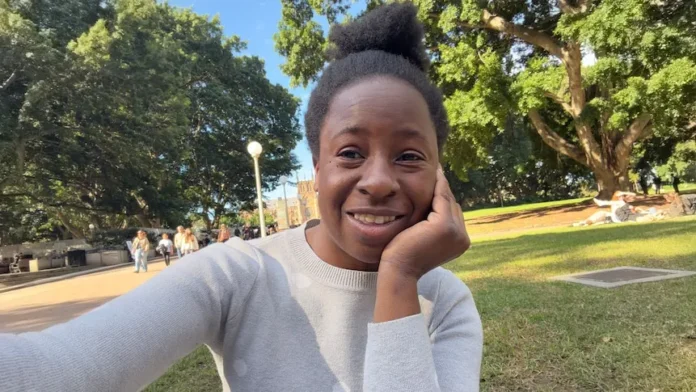
Ultimately, the answer may not lie in refining explanations but in the simple act of stating who one is, in full. For instance, embracing one’s identity might involve stating: “My name is Vanessa Mbeve, I am 27, and I have cerebral palsy. I am addicted to Cheetos and my laptop. On a weekend, you will find me out or blasting music in my house while scrolling on Reddit. And yes, I’m single.” This approach, which integrates personal details, interests, and identity markers without apology, allows for genuine connection based on mutual understanding and acceptance.
By shedding the performance and embracing authenticity, individuals can foster more meaningful relationships and reduce the emotional toll of dating. This shift allows for genuine connection, where potential partners can appreciate the whole person, disability and all, leading to more fulfilling and less exhausting romantic pursuits.