Epilepsy, a neurological condition affecting approximately one in 100 people in the UK, can have profound and often unseen consequences beyond seizures. For some individuals, the condition leads to significant memory loss, erasing cherished life events and impacting their sense of self and relationships. This is the stark reality for Amy-Jane Foster and Bob Sutcliffe, who shared their experiences as part of Epilepsy Action’s ‘Missing Memories’ campaign to highlight this lesser-known aspect of the disorder.
The Erasure of Early Parenthood
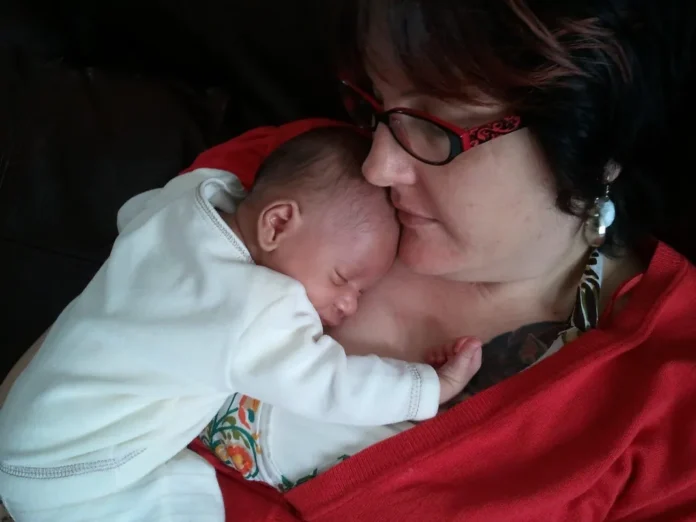
Amy-Jane Foster, 45, from Fordingbridge, Hampshire, describes the first two years of her son Joe’s life as a “blur.” After enduring two miscarriages, Joe arrived seven months into her pregnancy as a “miracle baby.” However, the joy of his birth is overshadowed by a near-complete absence of memories from that period. “I can’t remember my labour, finding out if I’d had a son or daughter, that first kiss, cuddle and touch,” Amy-Jane shared. She has no recollection of feeding Joe, changing his nappies, or settling him during his infancy.
This memory void extends to significant milestones. While Joe is now 15, Amy-Jane struggles with the guilt of not being the “good enough mum” she feels she should be, precisely because she cannot recall those formative early months. Her severe tonic-clonic seizures, which can last up to three minutes and cause loss of consciousness, have been a part of her life since she was 11. Despite two brain operations and a consistent regimen of medication, she still experiences episodes twice weekly. Her husband, David, 66, and her parents, Susan and Steve Hurst, and sister Sophie, provided crucial support in raising Joe during his early years.
Amy-Jane recalls only fragmented images of her labour – her waters breaking, a few flashes of the birthing process, and a single “speck of memory” of her husband kissing and holding their newborn son. “Joe and I are very close but I sometimes feel I am his best friend, not his mum,” she explained. “He tells me everything but I do feel cheated and hurt, as I feel I have not been the best mum I could be.” Now rarely left alone and unable to work, Amy-Jane lives with her parents. “Epilepsy robbed me of such precious memories is cruel but I am grateful I have my son and loving family around me,” she added.
Wedding Day Amnesia and Life-Altering Decisions
Bob Sutcliffe, 55, from Witherslack, Cumbria, faces a similar challenge with memory loss, particularly concerning his wedding day in 2000 and his subsequent honeymoon. “There are moments in my life that I should be able to hold on to forever, but I can’t,” Bob stated. He has no recollection of his wife Jan walking down the aisle, their vows, the church service, speeches, or the reception. His memories of these significant events are pieced together through photographs and the accounts of others.
Bob’s epilepsy began at age 36, with his first seizure occurring during a work meeting. A second seizure a week later confirmed the diagnosis of juvenile myoclonic epilepsy. While this form typically appears in childhood, Bob’s manifested in his mid-30s. Stress, tiredness, and overheating are known triggers for his seizures, which initially occurred daily but gradually reduced to weekly and then monthly occurrences. After years of struggling to find effective management, a specialist doctor in 2010 helped him control his condition with medication.
The impact of epilepsy on Bob’s life led to significant decisions, including not having children. “I could not cope with the fear I might drop a baby if I had a seizure,” he explained. “It was not fair to Jan that she would have me to look after, and our children.” This mutual decision, though understood, remains a source of sadness for the couple. Jan, a teacher, found holidays particularly difficult, especially Christmas, as she longed to share the festive season with a child. Bob missed the summer holidays, a time when he and Jan, an active couple, would have enjoyed taking children to the beach, swimming, and picnicking.
Despite these challenges, Bob has pursued his dream of becoming a primary school teacher, a goal he achieved after being told he might never work again. His artistic talents have also found an outlet; he paints greetings cards for Epilepsy Action and founded The Creative Health Trust UK. This charity has raised over £1 million to provide grants to hospices, funding creative activities for terminally ill patients and their families.
Understanding and Support for Epilepsy Sufferers
Jon Eaton, director of communications and digital engagement for Epilepsy Action, emphasized the isolation experienced by many with the condition. “Every year, we hear from thousands of people suddenly isolated by a condition that can rob them of consciousness at a moment’s notice,” Eaton said. “Alone, they struggle to regain control, while missing the key memories that make them who they are.” Epilepsy Action aims to help individuals regain control of their lives and reconnect with their identities.
The campaign underscores the importance of public understanding, compassion, and support for those living with epilepsy. “The public can help by filling in the blanks and talking to people with epilepsy in your lives, showing understanding, compassion and support,” Eaton urged. For individuals seeking diagnosis support or assistance with any aspect of epilepsy, resources are available through Epilepsy Action’s website, epilepsy.org.uk, or their helpline at 0808 800 5050.
Conclusion: Beyond the Seizure
The stories of Amy-Jane Foster and Bob Sutcliffe serve as powerful reminders that epilepsy’s impact extends far beyond the physical manifestation of seizures. The loss of precious memories, particularly those associated with major life events and early parenthood, can inflict deep emotional pain and a sense of incompleteness. By raising awareness through initiatives like the ‘Missing Memories’ campaign, Epilepsy Action aims to foster greater empathy and support for individuals navigating the complex challenges of living with epilepsy, encouraging a society that “fills in the blanks” with understanding and kindness.