
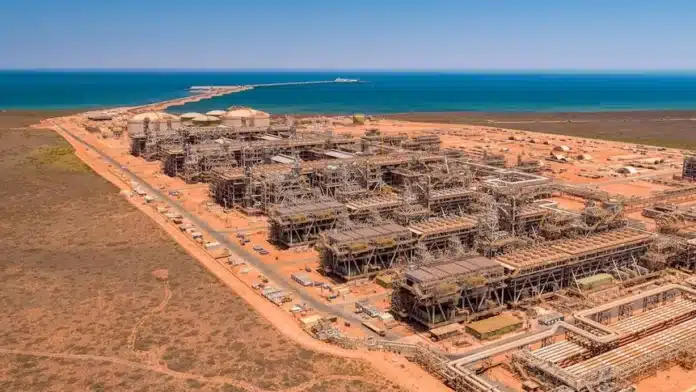
Four key gas facilities, accounting for nearly two-thirds of Western Australia’s domestic gas supply, remain offline following the impact of ex-Tropical Cyclone Narelle. Woodside’s Karratha Gas Plant, Chevron’s Wheatstone and Gorgon projects, and Santos’ Varanus Island operations all sustained disruptions as the cyclone battered the region’s energy infrastructure. Now downgraded to a tropical low, the weather event has prompted urgent restoration efforts amid global liquefied natural gas (LNG) shortages.
Affected Facilities and Impacts
Ex-Tropical Cyclone Narelle intensified to category four strength before carving through vital energy sites in Western Australia’s Pilbara region. Gale-force winds, with gusts up to 159 kilometers per hour on Barrow Island, hit Chevron’s Gorgon facility hard. One of Gorgon’s three LNG production trains went offline around 3 p.m. on Thursday, while the Wheatstone project’s offshore platform shut down midday, halting LNG and domestic gas output.
“As the platform supplies feed gas to Wheatstone’s onshore facilities near Onslow, LNG and domestic gas production has been suspended,” a Chevron spokesperson stated.
Woodside reported a production interruption at its Karratha Gas Plant, which processes gas from the North West Shelf project. “Production at the North West Shelf Project is expected to recommence after Woodside mobilizes its workforce to offshore facilities,” the company announced.
Santos’ Varanus Island plant, 75 kilometers off the Pilbara coast, tripped offline amid winds reaching 180 kilometers per hour. “Once weather conditions abate and personnel can safely re-enter the plant, we’ll return to normal operations,” a Santos spokesperson said.
Expert Analysis and Recovery Outlook
Independent gas analyst Jeanette Roberts highlighted the poor timing. “When you look at the cost of living and fuel prices, the impact of the triple whammy could be really quite significant,” she noted.
Energy and climate journalist Peter Milne called the outages “a big deal” but urged calm. “It’s going to take some time for the weather to calm down so workers can fly offshore, inspect platforms, and restart operations,” he explained. “There are reserves in the Dampier-Bunbury pipeline and underground storage, especially for southwest power needs.”
RATCH Australia, operator of the gas-fired Kemerton power station near Bunbury, confirmed it anticipates no major disruptions and is monitoring closely.
Government and Industry Response
WA Energy Minister Amber Sanderson emphasized preparedness. “These plants operate in a cyclone region and are well-equipped, with no disruption to domestic gas supply,” she stated during a press conference.
A state government spokesperson later confirmed: “Woodside, Santos, and Chevron have demobilized offshore workforces safely amid the cyclone. The government continues working with each company to ensure consistent domestic gas supply.”
Historical Context and Global Pressures
Past incidents underscore risks; a 2008 Varanus Island explosion halted nearly a third of state supply for two months, affecting Pilbara industries like BHP, Rio Tinto, and Burrup fertilisers, plus 150 small businesses. Roberts warned of similar ripple effects.
These outages align with heightened global energy tensions from Middle East conflicts, including Qatar’s shipment suspensions after Iran’s Strait of Hormuz blockade and missile strikes on a major gas plant.