The modern football landscape has become increasingly divided, with the elite tier of the sport operating under a distinct set of rules and priorities compared to the traditional game played at grassroots and lower professional levels. This schism has been starkly highlighted by recent major tournaments, which are increasingly tailored for television audiences and commercial interests, often at the expense of the traditional fan experience.
The Two Faces of Football
A recurring sentiment in contemporary football discussions is that “the game has gone.” While often applied to technological advancements or perceived dives by players, the reality is more profound: football has fractured into two distinct versions. The top tier, exemplified by events like the World Cup, operates with its own set of regulations and economic drivers, diverging significantly from the game played week-in, week-out in stadiums across the globe.
This elite version of football has become a product primarily for television broadcasters and wealthy patrons. The 2026 World Cup, for instance, is increasingly viewed as a spectacle designed for screens, a lucrative venture for the rich, and a substantial financial undertaking for ordinary fans who wish to attend matches. This shift is not necessarily a lament for a lost “soul” of the game; historical accounts reveal that professional football has often shown little regard for supporters, with past eras marked by poor conditions and safety concerns in stadiums. However, the current trajectory sees elite football becoming a more comfortable, albeit commercialized, viewing experience.
The Television-Centric Spectacle
An irony of major tournaments like the World Cup is that despite exorbitant ticket prices, they are often best experienced through a television screen. From the comfort of one’s home, viewers benefit from enhanced clarity and understanding of complex decisions, such as those involving Video Assistant Referee (VAR). The ability to analyze replays and understand officiating choices from afar often surpasses the experience of being in the stadium, where such context is less readily available.
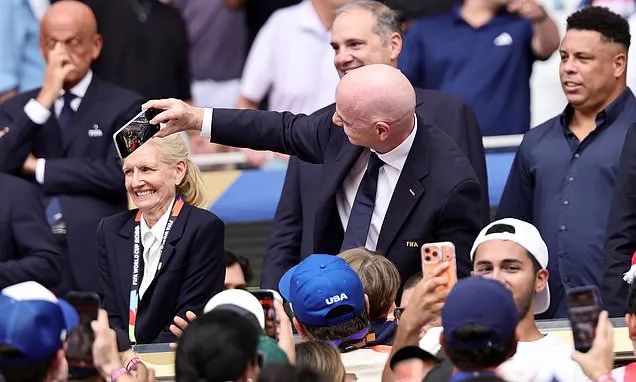
FIFA’s accommodation of broadcasters, exemplified by instances like President Gianni Infantino’s public interactions, underscores how the organization prioritizes television rights and revenue. VAR, a significant technological intervention, is largely confined to top-tier leagues, creating a disparity where matches at lower levels operate under a more traditional, on-field decision-making process. This creates a tangible gulf between the different strata of the sport.
Commercial Innovations and Fan Experience
Innovations such as “hydration breaks,” introduced during matches, are widely seen as strategic pauses designed to incorporate additional advertising slots for broadcasters. These breaks are rarely implemented at lower levels of the game, where the practicalities of weather and stadium conditions make them unfeasible. The extended half-time intervals, particularly in major finals, further lengthen the duration of matches, transforming a global spectacle into an event that can span several hours, a stark contrast to the more condensed and often harsher conditions faced by players and fans in less affluent footballing environments.
Officiating and Disciplinary Standards
The officiating standards also differ dramatically. While a semi-professional match might be managed by a single referee, a World Cup fixture involves a large team of officials and extensive technological support, including multiple cameras. Furthermore, the World Cup has been criticized for its perceived flexibility in disciplinary procedures. Incidents involving player suspensions and subsequent reversals have drawn criticism, suggesting a departure from consistent and transparent application of rules, which can alienate traditional supporters who value the integrity of the game.
Financial Imperatives and the Future of Football
Despite criticisms, football’s governing bodies, particularly FIFA, focus on the immense financial success of major tournaments. The Qatar World Cup generated billions in revenue, with projections for the next tournament indicating even greater returns. This financial success, driven by lucrative sponsorship and television deals, ensures that the priorities of elite football remain centered on revenue generation rather than necessarily addressing fan affordability or player welfare.
FIFA’s plans to expand the World Cup format are seen by some as a move to increase participation and revenue streams, particularly from nations that struggle to qualify. The continued high demand for tickets, evidenced by near-full stadiums, reinforces the belief among organizers that there is little incentive to lower prices or cater to fans with more modest budgets. A burgeoning market for football tourism among affluent individuals, coupled with a strong hospitality sector, further supports the notion that the elite game is increasingly becoming the domain of the wealthy.
Enduring Appeal Amidst Commercialism
Despite the commercial pressures and perceived manipulation, the fundamental appeal of football endures. The protection afforded to skillful players, allowing talents like Lionel Messi to shine even late in their careers, ensures that the sport retains its capacity to enthrall. The inherent drama and unpredictability of football, even when overlaid with commercial interests and occasional controversies, continue to captivate audiences worldwide.
While major tournaments offer a “banquet of football,” they can also leave a lingering sense of unease. For many, the true spirit of the game, characterized by its accessibility, grassroots participation, and more straightforward officiating, is best found in local matches. These games, often organized and officiated by individuals dedicated to the sport itself rather than commercial gain, offer a more authentic representation of the game loved by many. This contrast highlights a significant chasm at the heart of modern football, where the elite spectacle and the fundamental game operate on increasingly divergent paths.