Melbourne business owners express alarm over proposals to mandate work-from-home arrangements amid Australia’s escalating fuel crisis, fearing a repeat of COVID-era devastation.
Persistent Challenges for City Businesses
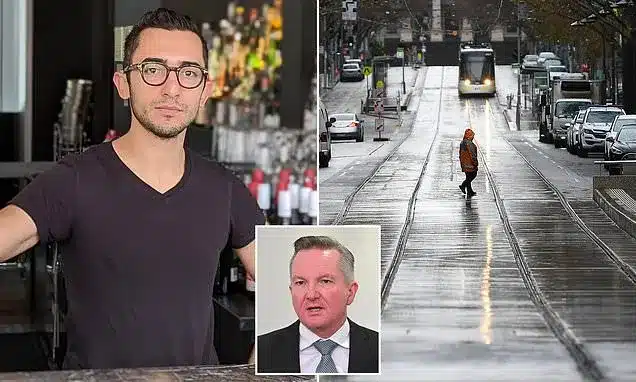
Victoria’s hospitality sector continues to struggle six years after the state’s record 262-day lockdown. Slate Bar Restaurant manager Ily Yildrim highlights that operations have recovered to only about 60% of pre-COVID levels. Many central business district workers already skip Mondays and Fridays, prompting venues to close early in the week and face uncertain weekend traffic.
Yildrim warns that expanded remote work to conserve fuel would exacerbate losses. ‘Rents aren’t going down, but we’ve lost many customers,’ he states. ‘Foot traffic is almost non-existent; without events, we’d be finished. Costs rise from suppliers due to higher fuel prices, making survival impossible.’
He calls for sustained government support rather than temporary fixes, noting Victoria’s tough business climate. Alternatives like free public transport passes for several days weekly could better aid traders without harming footfall.
Government Urges Fuel-Saving Measures
Energy Minister Chris Bowen endorses the International Energy Agency’s (IEA) recommendations, including remote work where feasible. Speaking on ABC’s Insiders program, Bowen describes it as ‘a sensible thing to do’ and integral to modern Australian work life.
Noting that not all jobs allow remote options, he encourages minimizing fuel use through personal choices. ‘People are already exploring ways to cut consumption,’ Bowen adds. Overall supplies remain robust, with petrol stocks at 38 days and diesel at 30 days. Refineries operate at full capacity for domestic needs, though regional deliveries pose challenges.
The government attributes shortages to demand spikes from panic buying, not supply deficits. IEA suggestions also include slower driving and reduced travel to counter Middle East oil disruptions.
Expert Flags Imminent Supply Risks
Macquarie University senior lecturer in applied finance, Dr. Lurion De Mello, predicts critical shortages by April 13 if Strait of Hormuz tensions persist. Skyrocketing insurance costs deter tankers, despite Iranian assurances of open passage.
Threats to Western-linked vessels and recent attacks heighten risks. De Mello criticizes inadequate fuel reserves and slow electric vehicle adoption. ‘The government has been asleep at the wheel,’ he says.
Prices surge, with premium diesel exceeding $3 per litre in Perth and 91 octane petrol at $2.40-$2.50 nationwide. Diesel edges toward $3, vital for trucking, agriculture, mining, and infrastructure. ‘Seafood and freight costs will rise, passing impacts everywhere,’ De Mello warns.
Panic hoarding hits independent stations first, as majors prioritize their networks, inverting usual pricing dynamics.