
Travelers increasingly skip traditional landmarks in favor of local supermarkets, embracing a trend known as grocery store tourism. Experts predict this will rank among the top travel experiences for 2026.
Recent surveys reveal that 77% of travelers already participate in this activity, with 35% intending to visit a neighborhood grocery store on their upcoming trips. As entry fees for major attractions rise—such as the Louvre’s recent 45% increase for non-European visitors—supermarket visits offer an affordable alternative.
Why Supermarkets Draw Crowds
Food provides an accessible window into local life, revealing how residents eat, shop, and think. Consumer champion Martin Newman explains that stepping into a supermarket immerses visitors in everyday culture.
Social media amplifies the appeal. Platforms like TikTok and Instagram showcase vibrant displays, unique packaging, and artisanal products that resonate visually and emotionally. Newman notes, ‘Food retail is highly visual, tactile, and emotionally charged. Colorful produce, well-designed packaging, and artisanal cues translate perfectly to social media.’
Diddly Squat Farm Shop: A Cotswolds Hotspot
Jeremy Clarkson’s Diddly Squat Farm Shop exemplifies the trend. Since opening in 2020, it has transformed into a major Cotswolds attraction, drawing crowds despite local concerns about noise and disruption.
Visitors often queue for over 45 minutes to enter. One enthusiast, who drove two hours from London after watching Clarkson’s Farm, described the experience: ‘Everything is pricey, but local and feel-good. I spent £47 on Hawkstone Lager, sweets, bread, and jam—and returned a year later.’
Families dominate the crowds, alongside fans from Clarkson’s Top Gear days and international tourists drawn by the show’s global popularity.
Japan’s Convenience Stores: TikTok Sensations
Japan’s konbini, or convenience stores like 7-Eleven, have exploded in popularity online. Features such as customizable iced drinks, instant ramen stations, and hot food counters attract millions of views.
Travelers rave about the post-night-out options, including karaage chicken skewers and extensive iced beverage selections. One visitor highlighted the added perks: ‘Smoking rooms, WiFi hotspots, and bins are essentials in Japan, where public trash cans are rare.’
Erewhon in LA: Celebrity-Fueled Luxury
In Los Angeles, Erewhon grocery store gained fame through Hailey Bieber’s Strawberry Glaze Skin Smoothie, priced at £12 in-store or £74 for a DIY kit. Tourists prioritize it over beaches or theaters.
The store stocks premium items like organic spirulina popcorn, orange blossom honey, and kefir ginger soda. Prices shock newcomers—a jar of dried mango costs $18, and a single Japanese strawberry fetches $19. Shoppers often splurge on merchandise, such as a $55 forest green tote bag.
One LA visitor admitted, ‘I bought the tote despite the cost and wear it proudly back home. It signals I’ve experienced the hype.’
Trader Joe’s Totes: Symbols of Status
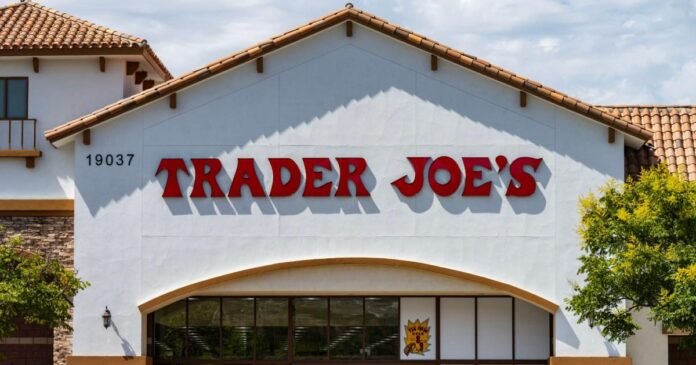
Trader Joe’s, absent outside the US, inspires envy through its canvas tote bags. Priced at just £2.20 in stores, resellers list them online for £7,400 to £37,000, turning them into travel trophies that outshine fridge magnets.
Newman observes, ‘Successful retailers now operate like lifestyle brands, curating ranges, collaborating, and building emotional connections through totes, clothing, and limited editions.’
A Cultural Snapshot in Every Aisle
While not exhaustive, supermarket shelves offer insights into national preferences and lifestyles. Newman concludes, ‘Stores serve as shorthand for a way of life. Travelers use them to connect with places and project their own identities.’