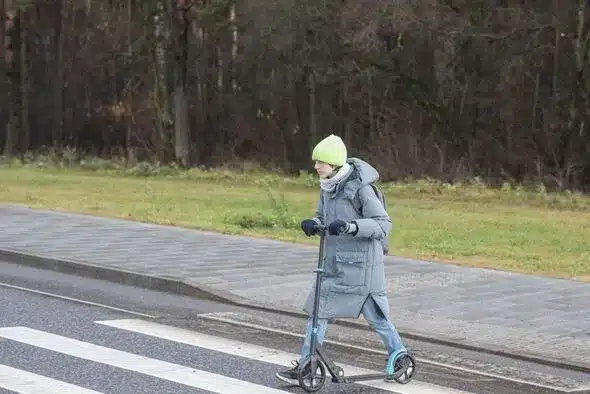
Millions of pedestrians overlook how the Highway Code governs their safety alongside drivers. Officials emphasize reviewing these rules to prevent life-threatening errors amid rising road safety concerns. Simple choices, like selecting the right crossing spot, can determine outcomes on busy streets.
Selecting Safe Crossing Points
Pedestrians must identify spots with clear visibility in all directions. Opt for zebra, pelican crossings, or those managed by police or school patrols. Avoid diagonal crossings and step out only when a traffic gap allows safe passage.
The Enduring Green Cross Code
Central to guidance, the Green Cross Code instructs stopping at the kerb, looking and listening for traffic, and crossing solely when safe. Continue monitoring vehicles throughout the crossing, as distant traffic often approaches faster than anticipated.
The Driver and Vehicle Standards Agency states: “Did you know that the Highway Code applies to pedestrians as well? Find a safe place to cross where you can see clearly in all directions.”
Common Overlooked Risks
Dangers include crossing behind reversing vehicles, emerging from between parked cars, or entering roads while distracted. These habits lead to frequent hazards.
Nighttime Visibility and Rural Roads
Wear reflective or light-colored clothing at night to enhance visibility for drivers. On roads lacking pavements, walk on the right-hand side facing oncoming traffic.
Parental and Group Responsibilities
Adults must keep children close—positioned between themselves and traffic—and hold hands near roads. Groups should deploy lookouts at front and rear while donning high-visibility gear.
Strict Legal Rules
Pedestrians face bans on motorways or slip roads except in emergencies, crossing active railway lines, or clinging to moving vehicles. These form enforceable laws, not mere suggestions.
Road safety demands shared vigilance from all road users. Pedestrians following these guidelines protect themselves and others. Full details appear in the official Highway Code online.