Home design and personal style are deeply individual, yet certain decorating trends can evoke surprisingly strong opinions. A recent collection of reader feedback revealed a host of popular home design choices that many people find impractical, outdated, or simply unappealing. These opinions highlight a common tension between aspirational aesthetics often seen in media and the realities of daily living.
Kitchen Controversies: Open Shelving, Sinks, and Storage
The kitchen, often considered the heart of the home, is a focal point for several contentious design trends. Open shelving, while visually appealing in curated photos, draws criticism for its impracticality. Many find it difficult to maintain a tidy display of everyday dishes, and concerns about dust accumulation and accessibility for pets are frequently raised. One reader noted, “unless all your dishes and cups match each other and you’re willing to put them on display all the time, it’s impractical for day-to-day use.” The risk of items becoming dusty or a cat’s temptation to explore are common drawbacks.
Farmhouse sinks also face scrutiny. Their flat bottoms are cited as a reason for poor drainage, requiring a significant amount of water for cleaning. Similarly, textured kitchen backsplashes, while attractive, are deemed difficult to clean, especially for those who cook frequently. A chef specifically pointed out the inefficiency of ventless hood vents, arguing they serve little purpose beyond lighting and should be replaced with functional exterior venting systems.
Storage solutions, or the lack thereof, are another major concern. The absence of adequate storage, particularly entryway closets for shoes, jackets, and cleaning supplies like vacuums, is a frequent complaint in larger homes. For seniors or those with mobility issues, the placement of microwaves in lower cabinets presents a significant ergonomic challenge, as does the lack of drawers in base cabinets in some modern kitchen renovations, making items at the back difficult to access.
Living Spaces: Open Plans and Lighting
The prevalence of open floor plans is a divisive issue. While proponents enjoy the spacious feel, many dislike the way cooking odors permeate the entire house, making it difficult to eliminate lingering smells from meals like fish. The difficulty in finding homes with separate kitchens is a growing frustration for those who prefer distinct living and cooking areas.
Lighting choices also spark debate. Oversized light fixtures with Edison-style bulbs, often perceived as overly bright, are criticized for their intensity. Conversely, the ubiquitous use of numerous pot lights across ceilings is seen by some as monotonous and less aesthetically pleasing than a well-chosen central fixture.
Bathroom and Fixture Frustrations
Bathroom design trends are not immune to criticism. The concept of shower rooms, where the bathtub is enclosed within the shower glass, is disliked for the increased cleaning burden. Maintaining the tub requires cleaning not only the shower walls but also the tub itself, even if baths are rarely taken. Concerns about mold growth behind freestanding tubs positioned too close to walls are also mentioned.
Clear shower doors are another point of contention, particularly in households with multiple occupants, as they offer minimal privacy. The practicality of pot fillers above stoves is also questioned, with the argument that the heavy pot still needs to be moved for cooking and cleaning, making the extra plumbing seemingly unnecessary.
Exterior and Structural Design Criticisms
Outside the home, several trends are met with disapproval. The lack of mature trees in new developments is a significant concern, with many lamenting the bare, sad appearance of newly built neighborhoods. Developers are encouraged to plan construction around existing trees to create more livable environments.
Fake fireplaces with non-functional chimneys covered in artificial siding are seen as a particularly egregious design choice, creating an inauthentic aesthetic. Similarly, fake stone exteriors, especially the cheap, plastic-looking varieties, are criticized for their unconvincing appearance and how out of place they can look.
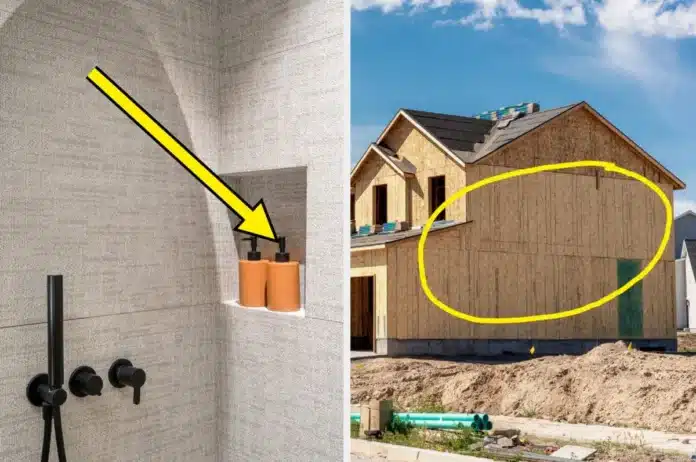
The trend of building monster houses on tiny lots is seen as sacrificing outdoor space and the potential for landscaping. Additionally, the practice of constructing entire sides of new homes without any windows is viewed as an unfortunate design choice that diminishes natural light and visual interest.
Material and Aesthetic Choices Under Fire
Specific materials and color palettes are also drawing negative reactions. Gray flooring is frequently described as dated, tacky, and cheap-looking. The popularity of quartz countertops is compared to the ubiquity of laminate in previous decades, with some finding them to look artificial and plastic-like.
Two-toned kitchens, where cabinets and islands feature different colors or finishes, are often perceived as looking haphazard or assembled from mismatched parts. The trend of decorating homes solely to appeal to potential buyers, resulting in neutral and uninspired spaces, is also criticized by those who wish to personalize their homes for their own enjoyment rather than for a speculative future sale.
Accessibility and Practicality Concerns
Beyond aesthetics, several trends raise practical and accessibility issues. Outlets inside drawers are seen as inconvenient, particularly for kitchen appliances like blenders, where the drawer itself can obstruct the plug. Mini-split air conditioning units, while efficient, are criticized for their unsightly appearance, often compared to outdated office equipment, and the external ductwork is seen as visually disruptive, especially on historic homes.
Deck railings with horizontal balusters are viewed as a safety hazard, potentially encouraging climbing. Finally, barn doors are a particularly polarizing trend, with many feeling they are only appropriate in rustic settings and look out of place otherwise.
Conclusion: Balancing Trend with Timelessness
The strong opinions shared by homeowners reveal a desire for design choices that are not only visually appealing but also highly functional, practical, and suited to individual lifestyles. While trends can offer inspiration, the feedback underscores the importance of prioritizing enduring quality, thoughtful utility, and personal comfort over fleeting fads. Many of these critiques highlight a preference for timeless design elements that serve their purpose effectively and contribute to a comfortable, long-lasting home environment.