Hundreds of vulnerable children in the UK are being housed in unregistered and illegal children’s homes, leading to severe exploitation, abuse, and neglect. These facilities, often run by companies seeking significant profits, house children who have been taken into state care due to trauma or complex needs. Despite the inherent dangers and inadequacy of these settings, councils are paying substantial sums to place children, with some placements costing taxpayers up to £10,500 per week.
The Scale of the Problem: Unregistered Care Facilities
The use of illegal children’s homes has surged in recent years. These settings range from converted houses and former pubs to more makeshift accommodations like caravans, holiday rentals, and houseboats. Many are situated in deprived urban areas, far from support networks, leaving children exposed to further risks. Councils often lack comprehensive data on the number of such unregistered homes operating within their jurisdictions, making oversight and intervention challenging.
A report by the all-party Public Accounts Committee highlighted that approximately 800 young people were placed in illegal homes last year, often for extended periods averaging six months. This contradicts claims by some councils that these placements are merely temporary measures to remove children from immediate danger. It is estimated that councils collectively spend around £353 million annually on these unregistered facilities.
Profit Over Protection: Financial Incentives and Exploitation
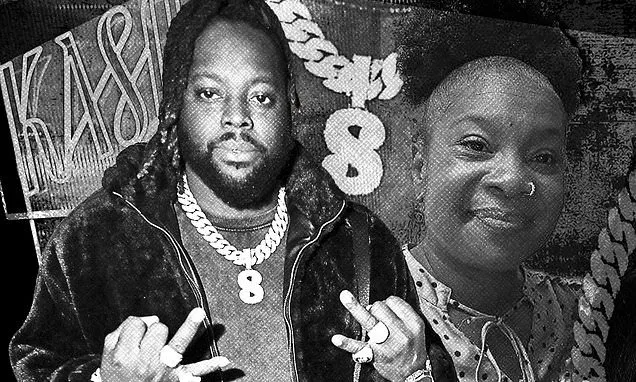
The financial incentives for operating these illegal homes can be substantial. In one case, a company called Catalyst Care, owned by music producer Davidson Lynch-Shyllon and his business partner Miriam Ekhator, earned nearly £1.8 million over three years for looking after just nine children. This equates to an average of nearly £200,000 per child. Despite the company’s annual turnover rising fivefold to almost £1 million, officials were reportedly unsure how the funds were utilized. Lynch-Shyllon and Ekhator paid themselves £386,000 in dividends during this period and were subsequently prosecuted by Ofsted, fined, and barred from running care homes.
This case is not isolated. The demand for children’s care places is high, and some private providers appear to prioritize profit over the safety and well-being of the children in their charge. This has led to a situation where children with complex needs or severe trauma are placed in environments that exacerbate their difficulties.
Devastating Consequences for Vulnerable Children
The consequences for children placed in these unregistered homes are often dire. Many experience severe neglect, lack of education, and profound isolation. In some of the most harrowing instances, children have been subjected to horrific abuse:
- A 15-year-old girl from South Wales, placed in care to escape sexual exploitation, was allegedly plied with alcohol and cocaine by two male ‘carers’ at an unregistered home near Durham, leading to her being raped. She later attempted suicide.
- Teenage girls are reportedly targeted by sexual predators, while boys are groomed by criminal gangs for drug dealing or weapon storage.
- One young woman, Roismi, who experienced 17 placements, almost all in unregulated homes, described being contacted by random men offering safety and belonging, highlighting the vulnerability of children in these settings.
- Boys have reported being groomed by gangs, enticed by cash and flashy items to store or sell drugs.
These experiences leave deep psychological scars. Many young people who have been in care end up in the criminal justice system, with over a quarter of those in prison having spent time in state care.
Systemic Failures and Calls for Reform
Experts and advocates are calling for urgent systemic reform. Anela Anwar, chief executive of Become, a charity for children in care, stated that children in illegal homes not only endure poor-quality care but also face criminal exploitation. Dame Rachel de Souza, Children’s Commissioner for England, has expressed hope that the recent prosecution marks the beginning of the end for illegal providers who prioritize profit over child safety. She highlighted that vulnerable children are sleeping in unsafe, illegal settings, cared for by unqualified individuals in places never designed for them.
Sir Martyn Oliver, Ofsted’s chief inspector, noted that while there are sufficient places in registered children’s homes, the issue lies in having the right homes in the right locations and ensuring registered providers can meet the needs of children most requiring their support. Councils like Kent and Medway acknowledge the national problem, stating that in rare circumstances, when no suitable provision is available, young people might be placed in unregulated settings as a last resort. However, they emphasize their efforts to ensure safety and oversight.
The Path Forward: Strengthening Safeguards and Oversight
Ofsted is intensifying its efforts to crack down on unregistered homes, issuing warning letters and pursuing prosecutions. However, many owners continue to operate without applying for registration, suggesting they anticipate failing to meet the required standards. Research indicates that some unregistered properties are so poorly managed they resemble drug dens, with children going missing for days and being highly visible to perpetrators while remaining invisible to safeguarding systems until a critical incident occurs.
The situation underscores a critical failure in the social care system, where vulnerable children are being placed at immense risk due to inadequate oversight and the exploitation of a high-demand market by disreputable private operators. Efforts to increase the number of council-run homes and strengthen regulatory enforcement are seen as crucial steps in protecting children and ensuring they receive the safe, supportive, and loving environments they deserve.
*Sienna’s name has been changed to protect her identity.