
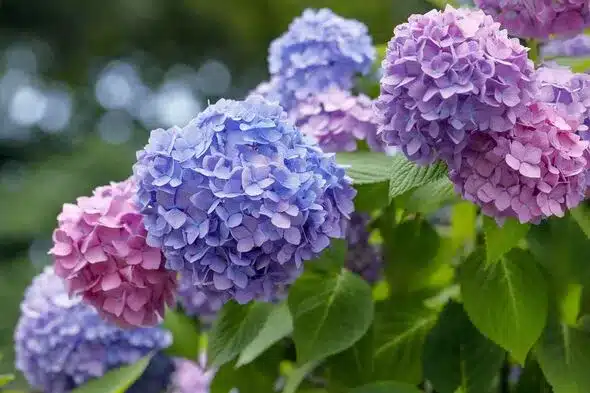
Gardeners seeking a prolonged display of vibrant blooms can achieve a second flush of flowers from their climbing hydrangeas by performing a specific, simple task in July. This technique, recommended by gardening specialists, involves a light prune immediately after the plant’s initial flowering period concludes, encouraging new buds to develop throughout the remainder of the summer.
The Benefits of a Summer Prune for Climbing Hydrangeas
Climbing hydrangeas, known for their delicate white, lacy blossoms and their ability to scale walls, fences, and even trees, typically bloom between June and August. While these vigorous climbers can reach impressive lengths of 12 to 15 metres, their flowering potential can be enhanced with timely intervention. Normally, a substantial pruning is reserved for late summer to prepare the plant for the following season. However, for established climbing hydrangeas that have already produced their first set of flowers, a more immediate action can yield a rewarding second bloom.
Gardening expert Michael Griffiths highlighted the importance of a summer prune for climbing hydrangeas in a recent social media video. He explained that this specific variety can be carefully trimmed shortly after their initial flowering has finished. This mid-season intervention is crucial for redirecting the plant’s energy, promoting the development of new flower buds rather than allowing resources to be spent on fading blooms.
How to Prune for a Second Flush of Flowers
The process for encouraging a second bloom is straightforward and requires minimal effort. Gardeners should begin by carefully inspecting their climbing hydrangea to identify any spent flowerheads that appear wilted, droopy, or discoloured. These are the primary targets for removal.
The recommended technique involves trimming the stems of these spent blooms approximately one inch above any newly forming buds. This precise cut helps to channel the plant’s energy directly into nurturing these new buds, fostering their growth and eventual flowering. It is important to note that this is not a comprehensive pruning session; the goal is simply to remove the old flowers to stimulate the emergence of new ones.
By cutting away the spent blooms, gardeners effectively divert the plant’s energy away from flowers that have completed their life cycle. This action encourages the development of fresh side-shoots, which are essential for producing subsequent blooms. Furthermore, this light summer prune helps the plant’s energy focus on developing strong, healthy wood that will support the buds for the following season’s display.
Beyond a Second Bloom: Additional Benefits of Pruning
The advantages of this July pruning extend beyond simply achieving a second wave of flowers. Improving light and air circulation throughout the vine is a significant benefit. By removing excess foliage and spent blooms, the plant becomes less dense, allowing better airflow and light penetration. This can contribute to overall plant health and reduce the risk of fungal diseases.
Additionally, a summer prune helps maintain the plant’s aesthetic appeal. Climbing hydrangeas can become quite vigorous, and a light trim helps keep them looking neat and well-managed, preventing them from becoming unruly and overgrown.
When to Avoid Severe Pruning
It is crucial for gardeners to understand the difference between this encouraging mid-season prune and the more substantial pruning typically performed later. Specialists generally advise against a severe, hard prune during the summer months, especially if the primary goal is to encourage immediate re-blooming. Such drastic cutting could be counterproductive, potentially leaving the plant looking bare for the remainder of the season and sacrificing the chance for a second flowering.
For established climbing hydrangeas, the main pruning session is usually conducted in late summer, after all flowering has ceased, to prepare the plant for winter and the next growing season. This later prune allows sufficient time for the plant to develop flowering wood for the subsequent year.
However, if a climbing hydrangea has significantly outgrown its allocated space, a harder prune might be necessary. In such cases, gardeners may have to accept a sacrifice of flowers for a few years while they work to restore the plant to its desired shape and size. This more intensive pruning would typically be carried out in autumn or spring.
Troubleshooting Hydrangea Blooms
For mature plants that are failing to produce blooms, incorrect pruning practices could be a contributing factor. Climbing hydrangeas famously flower on wood that developed the previous year. Therefore, pruning too late or too severely in the summer can inadvertently remove the very shoots that would have produced flowers in the current season. Gardeners’ World advises that to ensure the plant has adequate time to develop flowering wood for the next year, pruning should occur in summer, immediately after flowering, and without cutting the plant back excessively.
In summary, a simple, light prune of spent flowers in July is an effective method for established climbing hydrangeas to encourage a second flush of blooms, enhancing the garden’s visual appeal and extending the flowering season with minimal effort.